About Us
History
The Peconic Land Trust, a 501(c)(3) nonprofit organization, was established in 1983 by John v.H. Halsey and a small group of local residents to ensure the protection of Long Island’s working farms, natural lands, and heritage. Since 1983, the Trust has worked diligently with landowners, communities, municipalities, and partner organizations to protect nearly 14,000 acres of land, conserving more working farms on Long Island than any other private conservation organization, and securing millions of dollars from the public and private sectors for land protection.
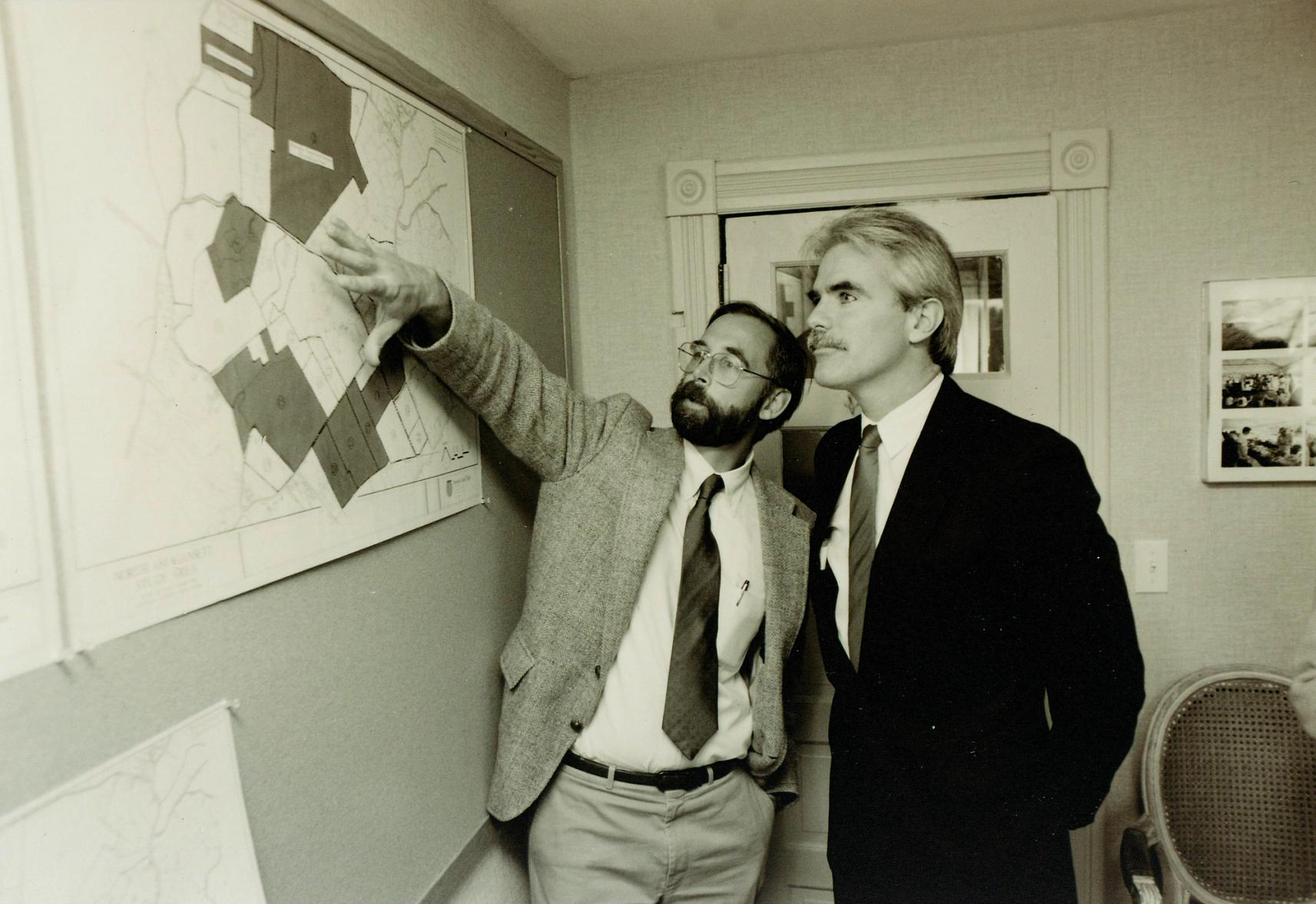
Incorporation of the Trust
On August 1, the incorporation of the Trust by founder John v.H. Halsey and a small group of neighbors, Terry Stubelek, Richard W. King, Roy L. Wines, Jr. and Edward P. Sharretts, Jr. By December 31, additions to NYS Environmental Conservation Law (§49) enabled land trusts to acquire conservation easements that were not appurtenant to properties they owned. This change brought the use of conservation easements to a new level.
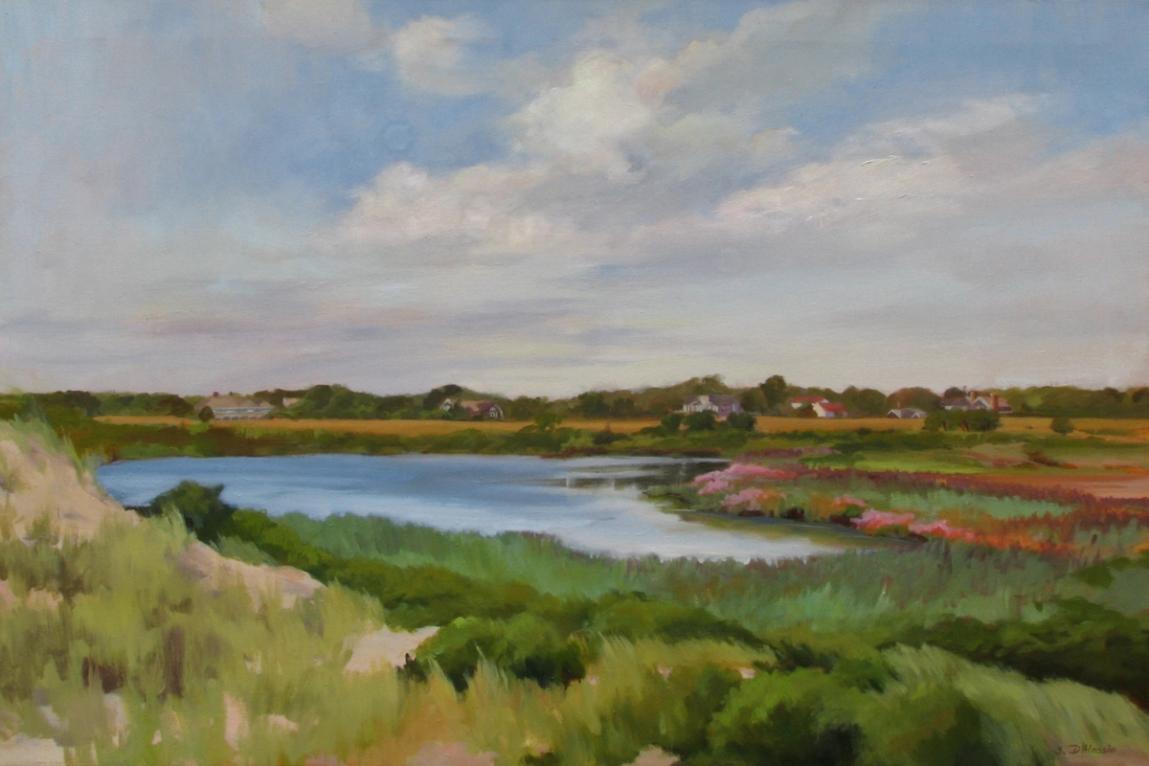
Phillips Pond Preserve is Established
First project completed: Phillips Pond Preserve, approximately 6 acres donated by Burton Brous between 1984 and 1986, situated between Phillips Pond and the Atlantic Ocean in the Village of Southampton. This ecologically sensitive area is an important gateway to the ocean in the village.

First Challenge Fundraising Initiative Met
With donations from 34 members of the community, the Trust met its first Challenge fundraising initiative – raising $10,000 to meet an anonymous match. Since then, thousands of individuals have donated to the Trust’s Annual Fund, making our conservation work possible. This was also the year the scallop shell logo was first used, designed by Linda Sherman, Roger Smith and Lee Foster.
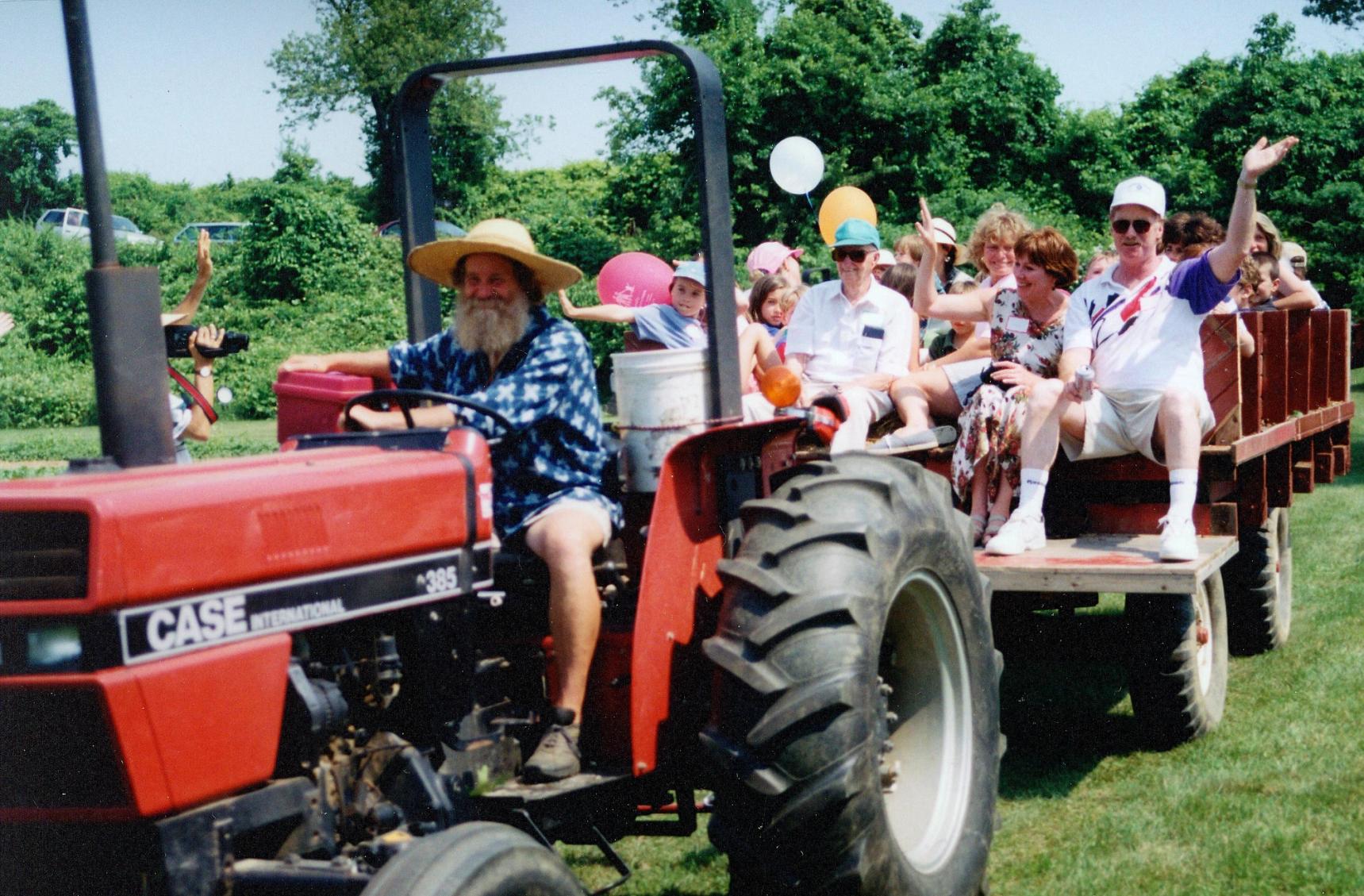
The First Peconinic
The first Peconinic – our annual thank you party for supporters – was held at the Foster Farm in Sagaponack. Since then, the Peconinic has been held in every East End town, in celebration of our rural heritage.
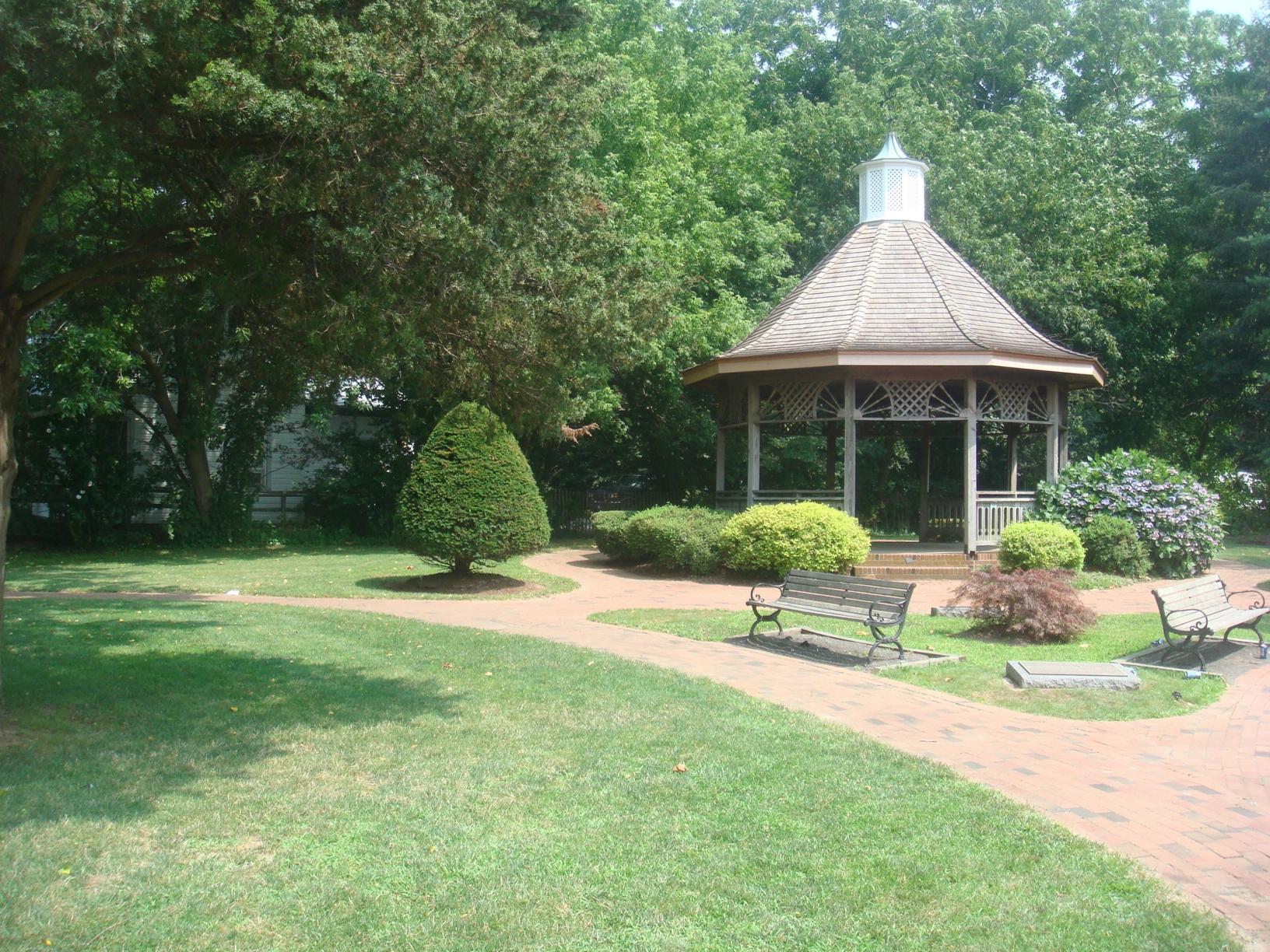
Conservation of Our First 100 Acres
By this time, with the support of landowners, municipalities and the community, the Trust had conserved its first 100 acres, including farmland protection in Southampton and Southold, and the Village Green in Southold hamlet.
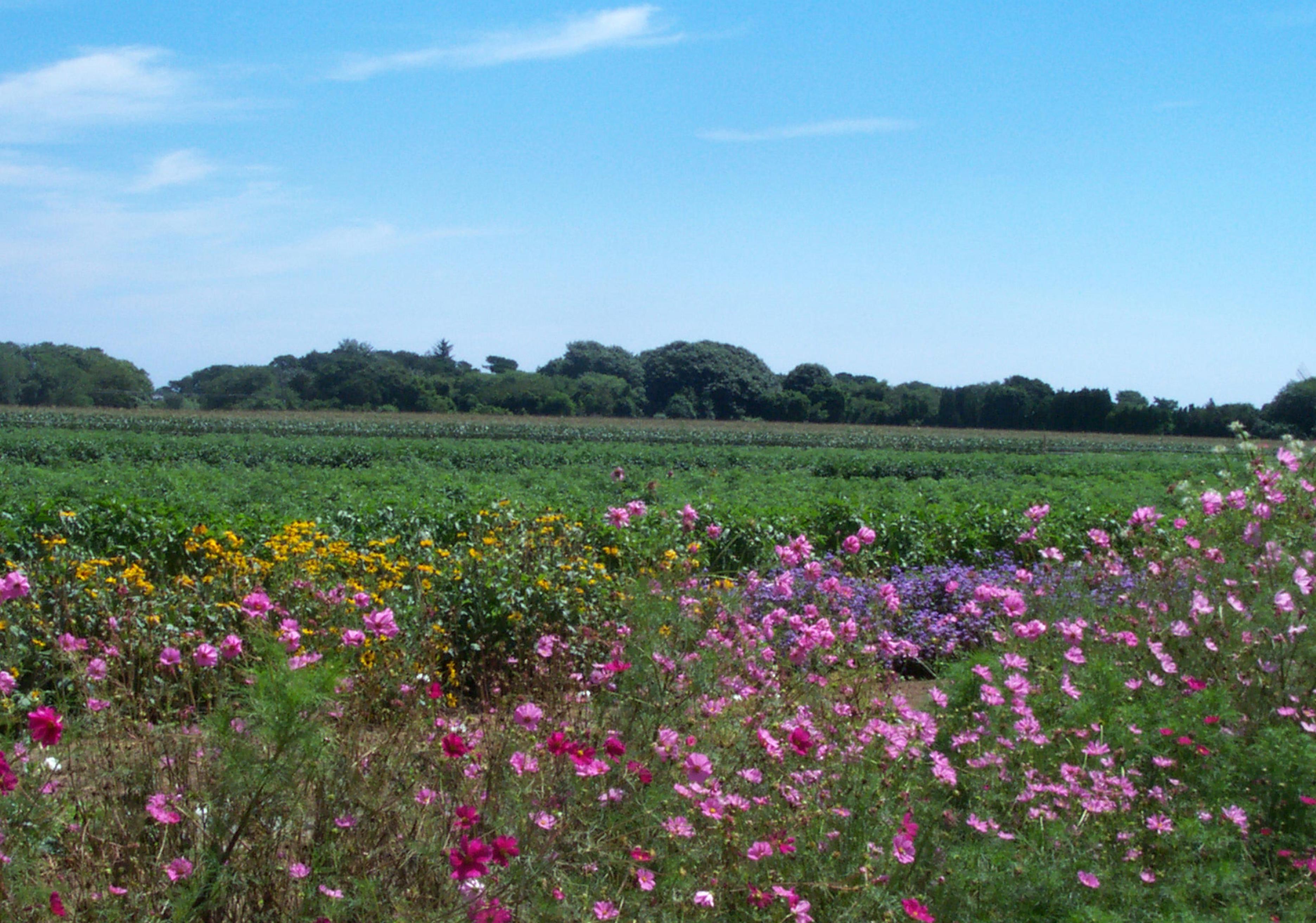
Adoption of the Land Trust Alliance's Professional Standards
The Trust adopts the Land Trust Alliance’s professional standards and practices for land conservation.
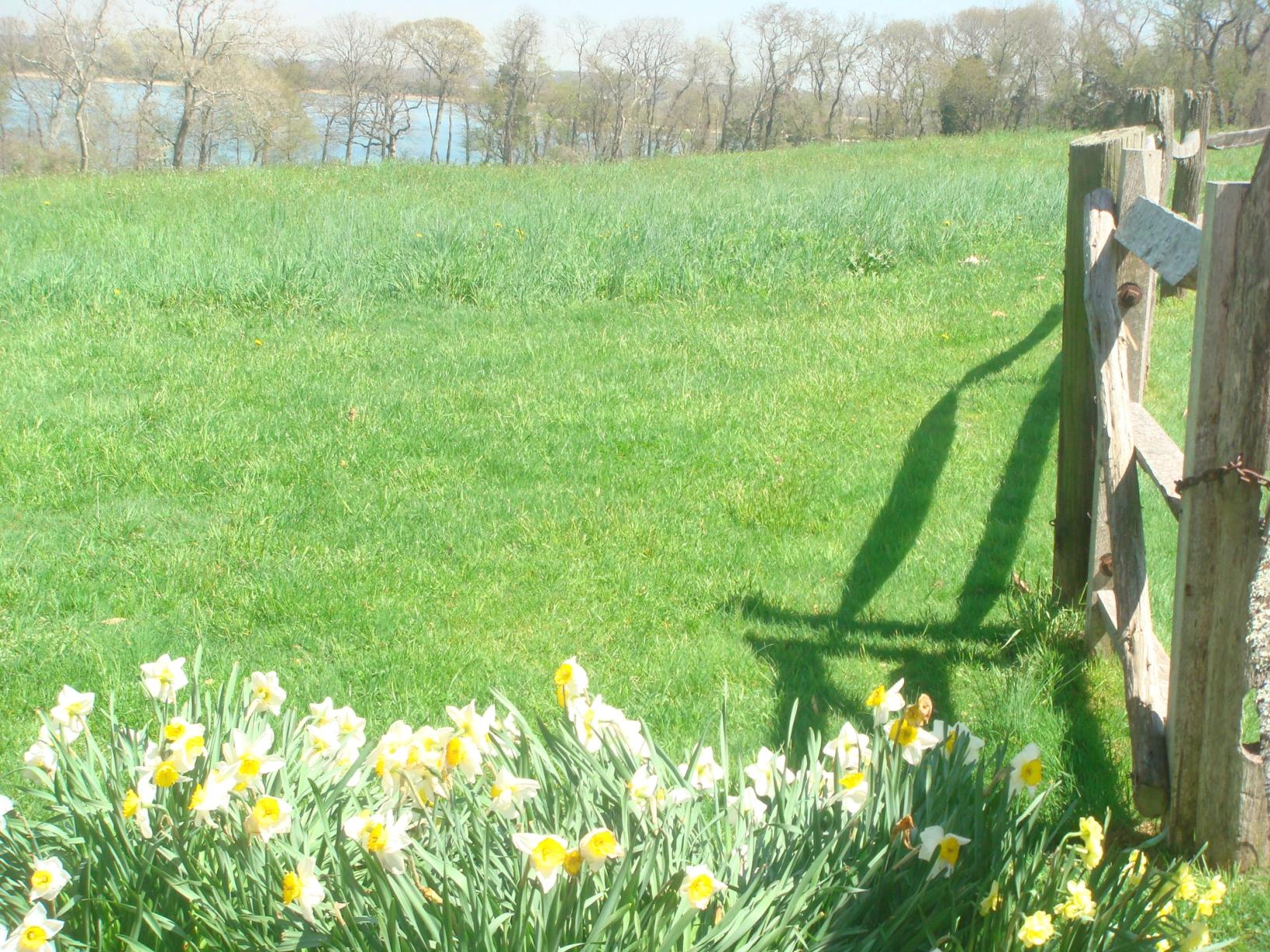
First Project in Smithtown
Louisa Lawrence donated a 45-acre conservation easement on her property in Smithtown. Since then, we’ve worked with four families in the community protecting more than 80 acres of wetlands, woodland, pasture and historic façade easements and have established an on-going relationship with Avalon Park and Preserve.
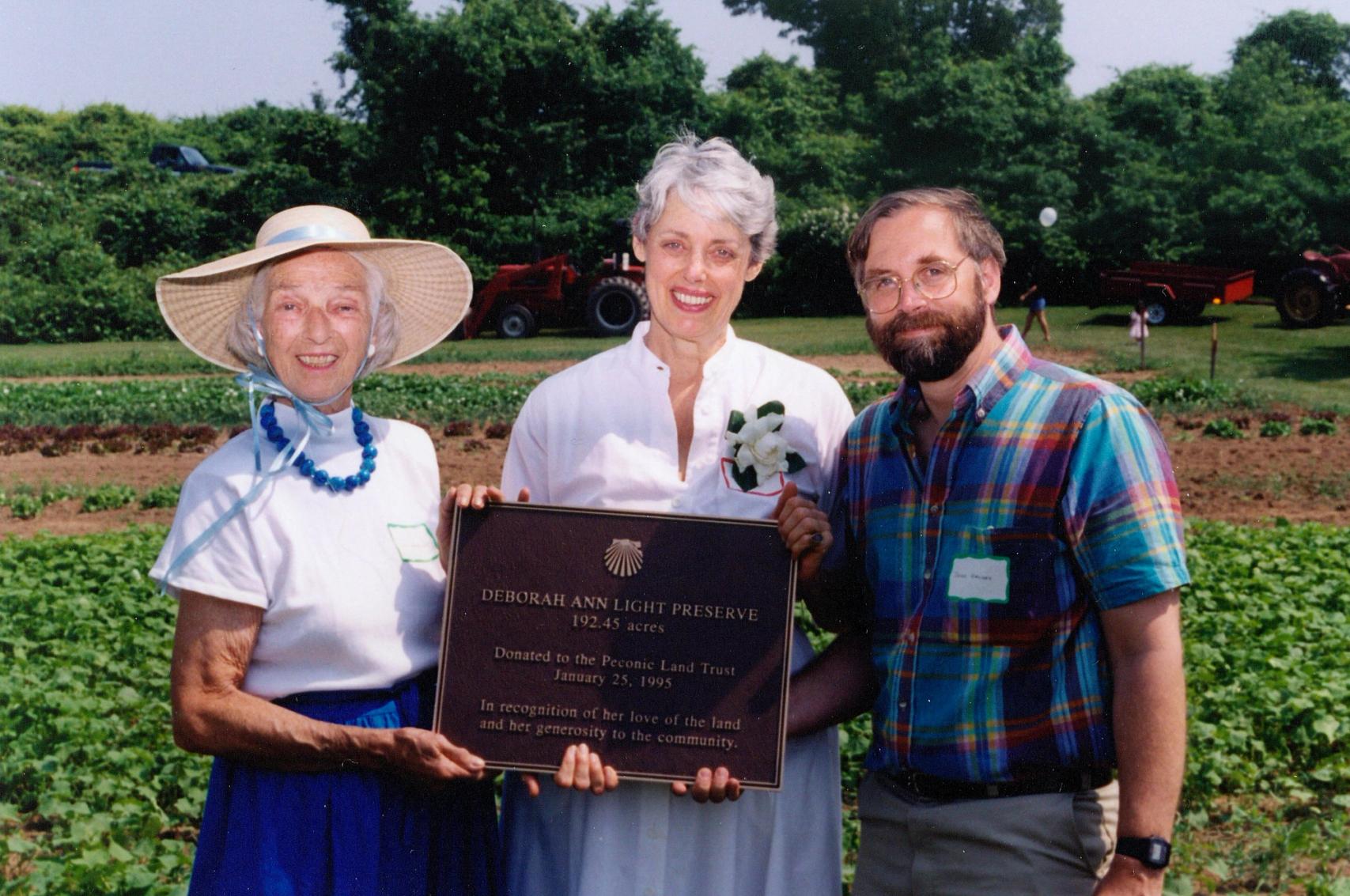
Quail Hill Farm is Established
Quail Hill Farm is established in Amagansett on land donated by Deborah Ann Light. One of the original CSA farms in the US, the farmland at Quail Hill, along with the adjoining Light Preserve, is now part of the Trust’s Farms for the Future Initiative (see 2010).
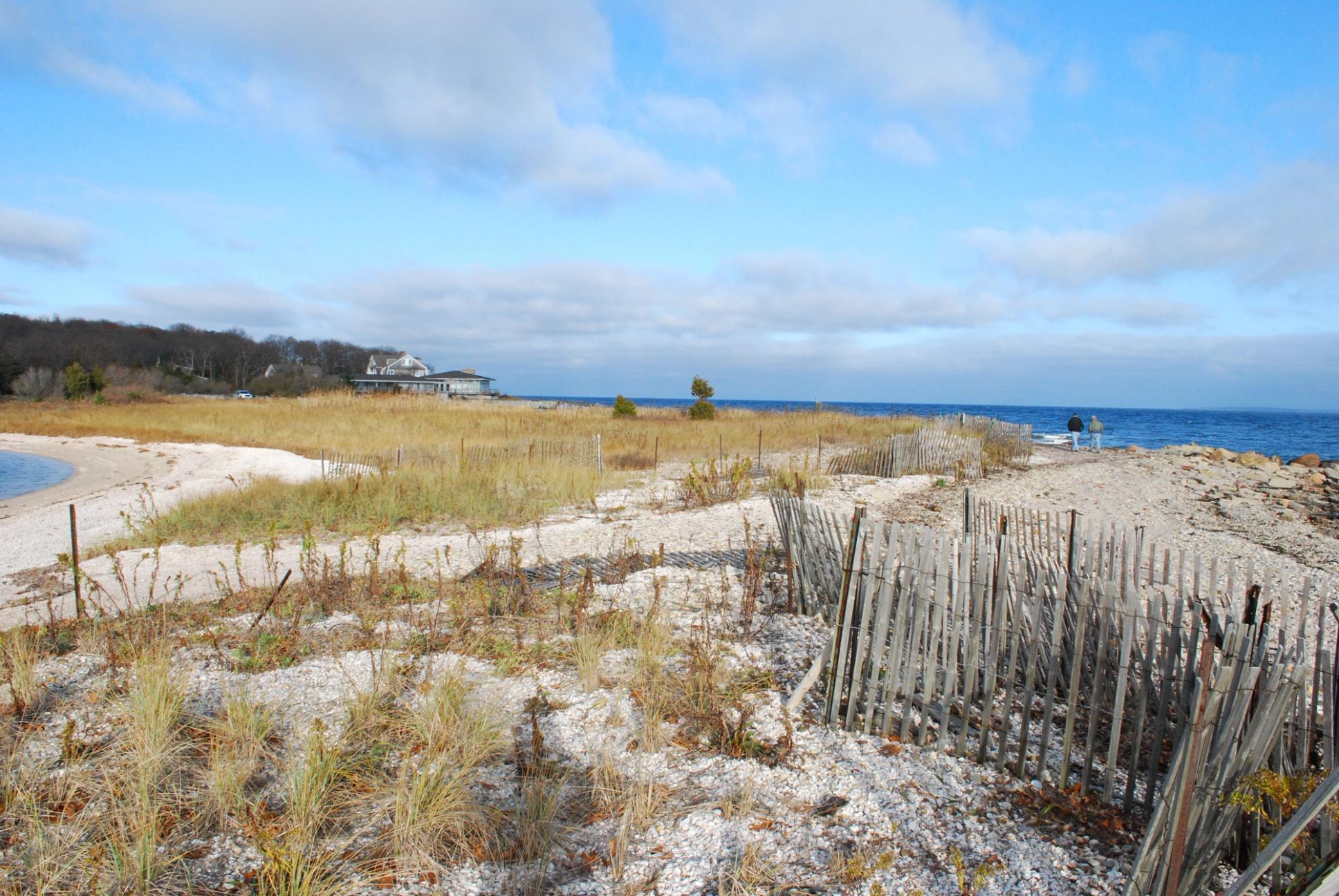
Reel Point Preserve is Established
Reel Point Preserve, an iconic peninsula at the end of Ram Island, is donated by the Stern family to the Trust and becomes our first project on Shelter Island. Through 2013, the Trust has worked with landowners, the Town, County and State to conserve approximately 350 acres on Shelter Island, most recently with our work with the heir to Sylvester Manor, Eben Ostby (see 2011-2012).
Downs Farm Preserve is Established
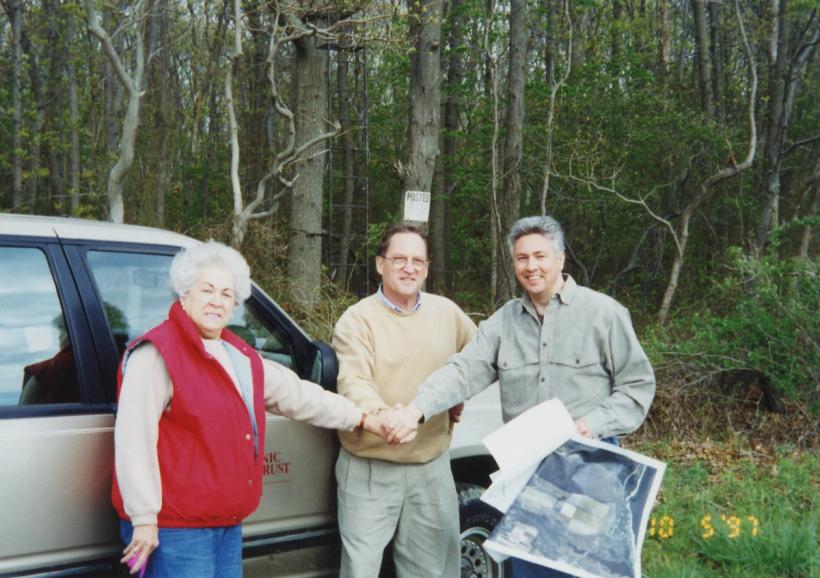
Working with the Baxter family, Suffolk County, Southold Town and conservation buyer Russ McCall, we conserved over 100 acres in Cutchogue, known as the Downs Farm Preserve, which includes the Fort Corchaug historic site (50+ acres owned by the Town), and McCall Vineyard and Ranch (80+ acres owned by McCall, with a conservation easement donated to the Trust). In 1999, the Trust worked again with Russ McCall and the Ginsburg family to conserve an additional 54+ acres, most of which was purchased by McCall who donated a conservation easement on that parcel. 3.5 acres of that parcel, including a farmhouse and historic barn, were retained by the Trust and today is our North Fork Stewardship Center. Restoration of the 18th century barn is on-going.
The Peconic Bay Region Community Preservation Fund is Enacted
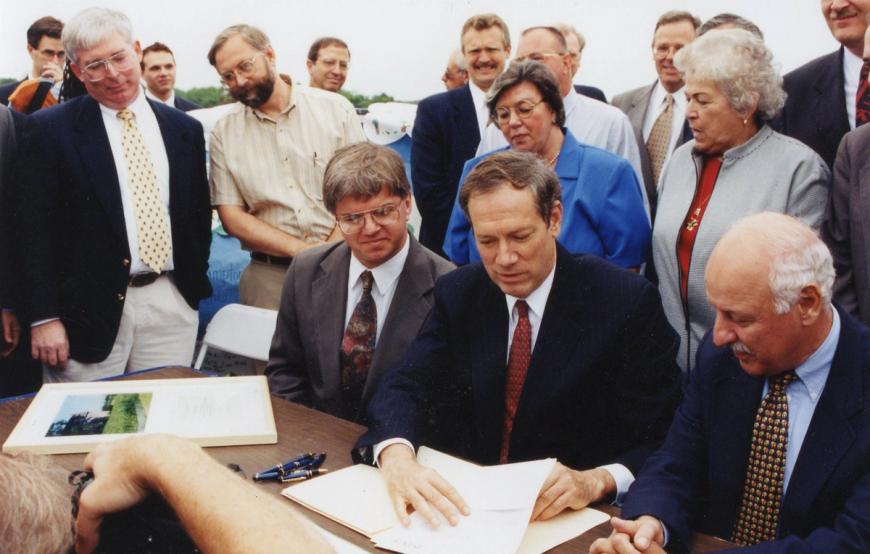
The Peconic Bay Region Community Preservation Fund was enacted by public referendum in the five East End Towns of Long Island: Riverhead, Southampton, Southold, Shelter Island and East Hampton. The Peconic Land Trust does not collect or distribute the funds from the 2% real estate transfer tax. The Peconic Land Trust raises its operating budget through charitable gifts and payment for professional services. The 2% real estate transfer fee paid by buyers for the Peconic Bay Region Community Preservation Fund goes directly to the Town in which the property purchased is located. The CPF has been renewed three times through voter referendum and currently is in effect through 2050.
Trust Receives Largest Conservation Easement from Louis Bacon
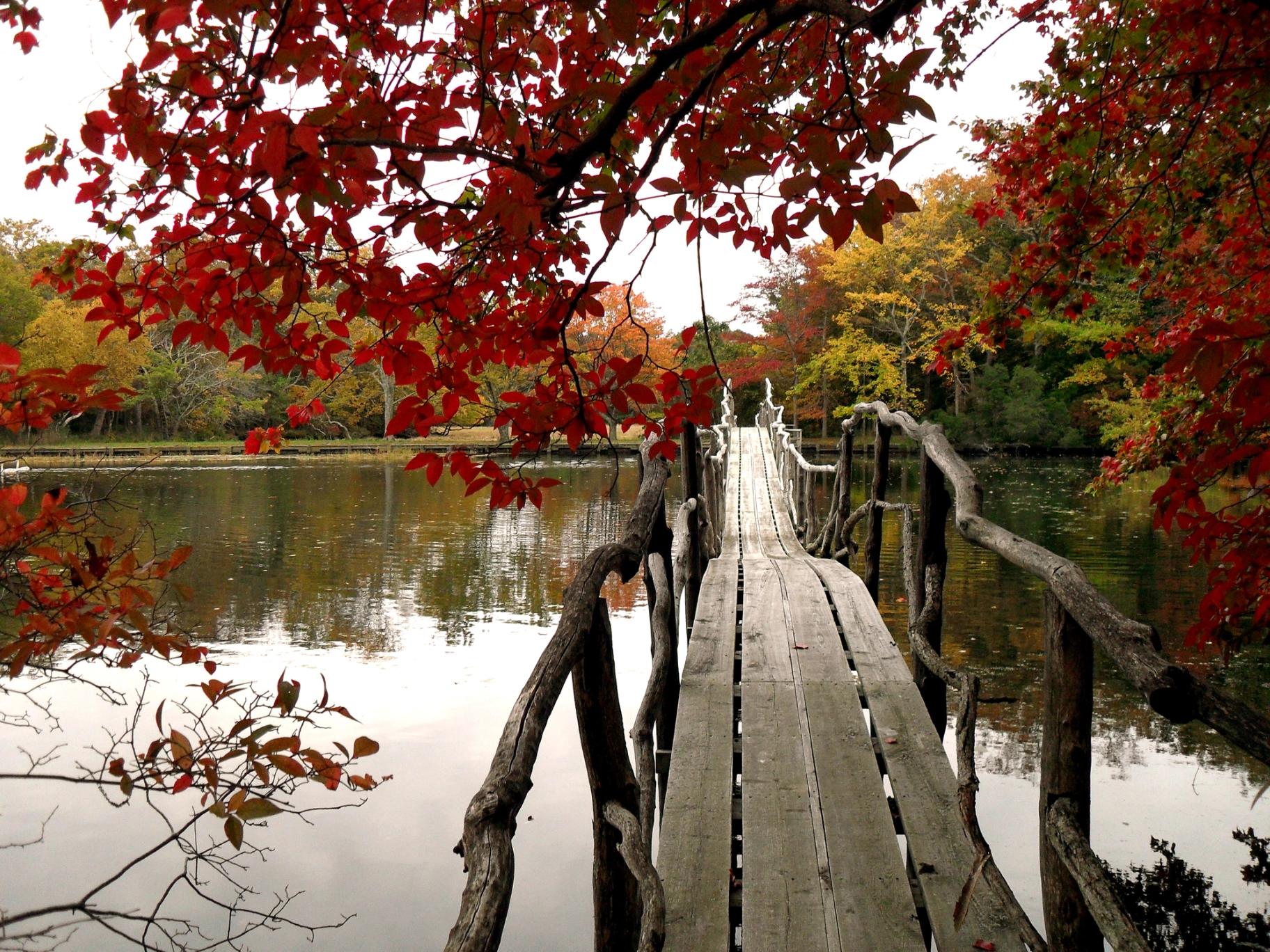
Louis Bacon donates a conservation easement on 540 acres on Cow Neck to the Trust; the organization's largest single conservation easement to date. The property, acquired by Mr. Bacon from the Salm Family, includes undisturbed tidal and freshwater wetlands, woodlands, agricultural and equestrian lands, and meadows.
Fund for the Environment is Established
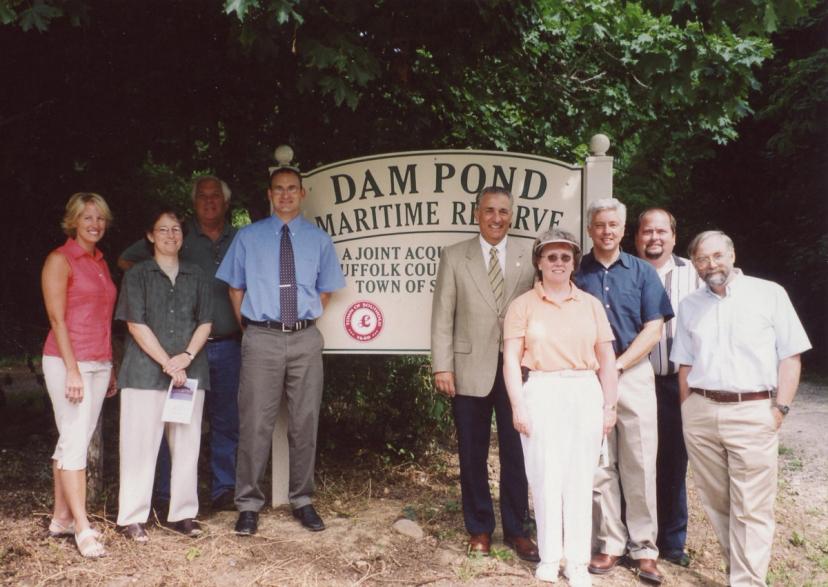
The Trust’s Fund for the Environment was established with a $2 million challenge grant from the Peter J. Sharp Foundation. The Fund is a source of capital that serves as a revolving fund, providing interim financing for the Trust’s acquisitions of land, conservation easements, or other environmental assets. The Trust has used the fund on over 25 projects, the first of which was Dam Pond. Over the years, the Fund has grown to nearly $5 million through donations by other individuals and foundations for this express purpose.
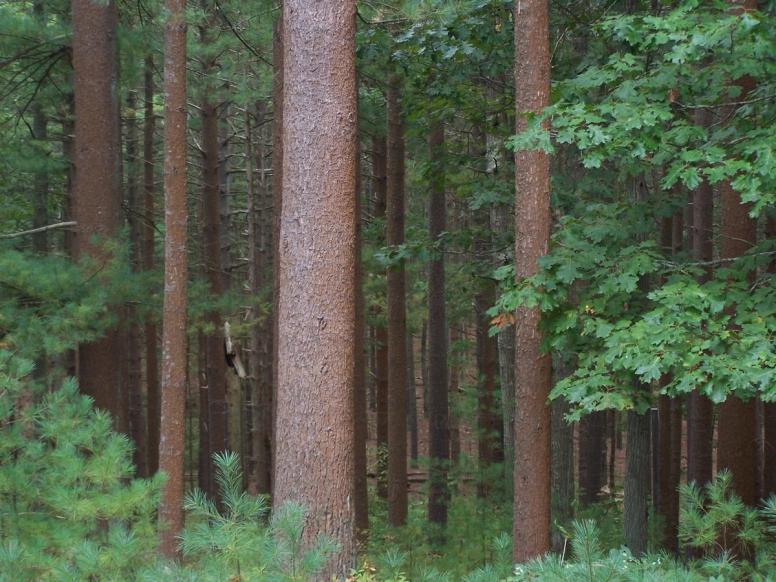
Wilson's Grove Preserve Donated by Marillyn Wilson
Marillyn B. Wilson donated a conservation easement on a 22.7-acre parcel of woodland in the Northwest Woods section of East Hampton, on the Accabonac Trail, to the Trust. The site contains locally rare woodland of majestic white pine and oak. In 2008, Ms. Wilson donated the conserved property to the Trust, plus an additional 23 acres, to create Wilson’s Grove, which includes her architecturally distinctive home and woodland gardens
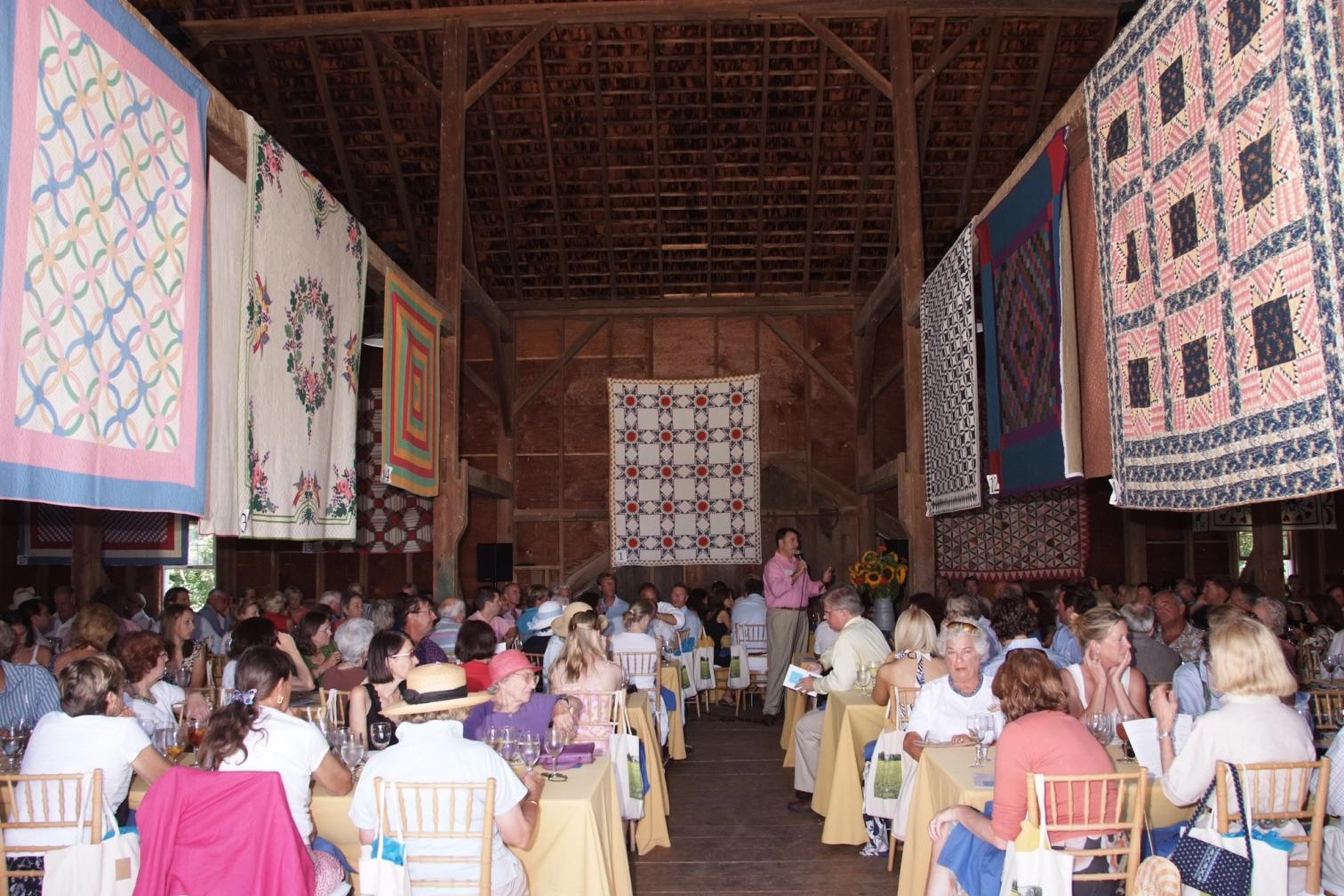
Through Farms and Fields is Launched
Through Farms and Fields, the Trust’s annual fundraiser was launched – with a farm tour and luncheon held in the Galban Barn in Sagaponack. Over the ensuing years – the event, a country "luncheon" or "supper" has been at iconic properties, including the Wesnofske’s historic barn in Bridgehampton (pictured), the Salm’s Port of Missing Men in North Sea and the Halsey’s Whitecap Farm on Mecox Bay.
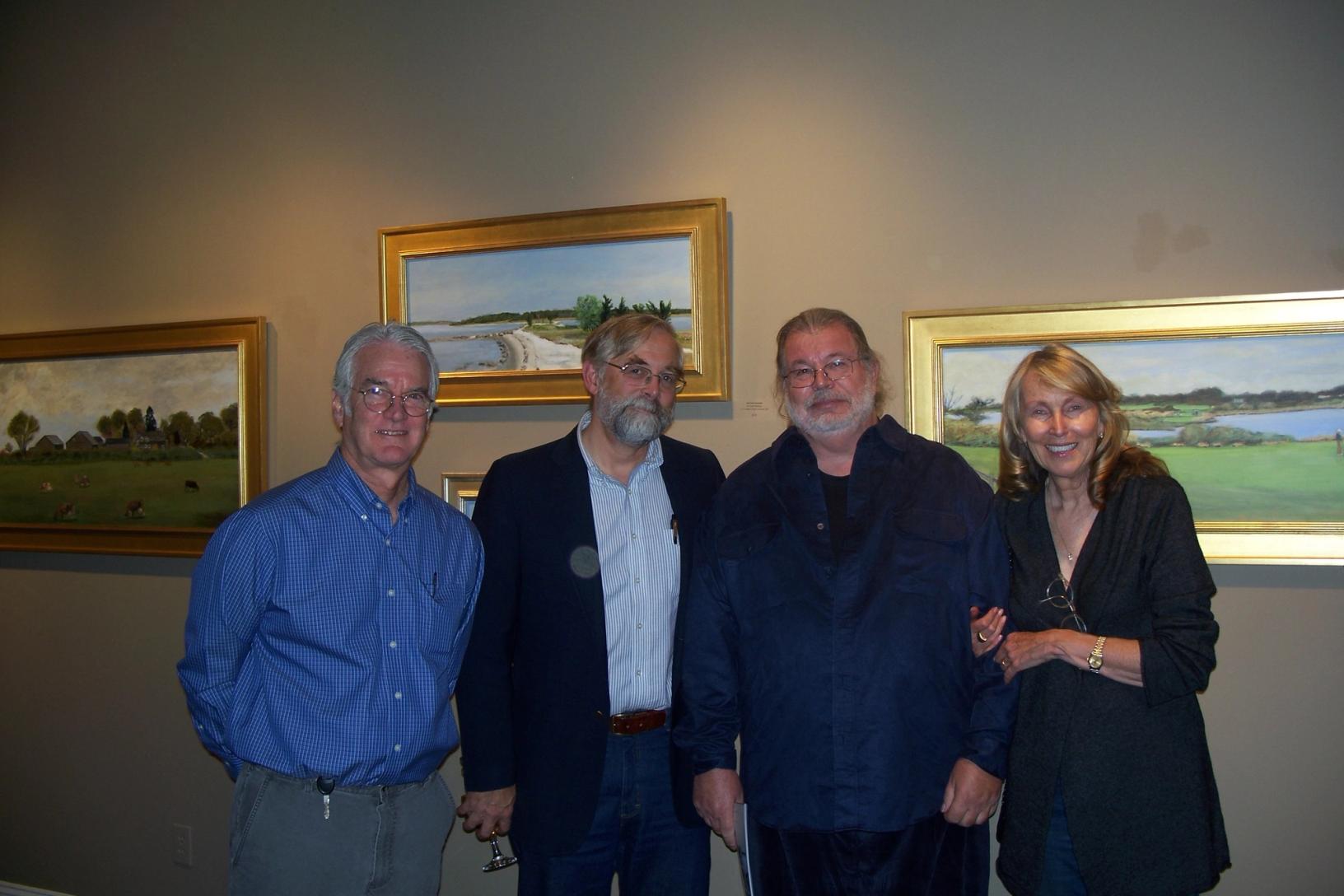
Connections Launches
With initial funding from the R.K. Mellon Family Foundation, the Trust’s Connectionseducational programs, designed to connect the community with the land, is launched. To date, thousands of people of all ages have participated in programs from the tip of the forks to NYC. This is also the year the Trust established the partnership with the artists of Plein Air Peconic.
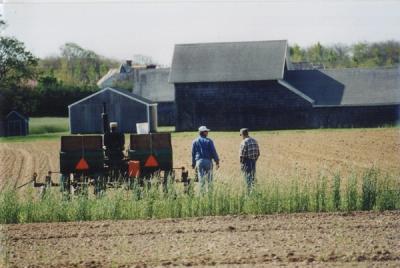
"True East" is Published
Seeking to focus the public’s attention on the serious issues threatening local agriculture, and working with landscape designer and photographer Wendy Chamberlin, the Trust publishes "True East", featuring her photos and stories of four local farming families: Corwith, Foster, Halsey and Zaluski. Taken over the course of one year, the books showcase their commitment to agriculture on Long Island’s East End.
New Suffolk Waterfront is Acquired
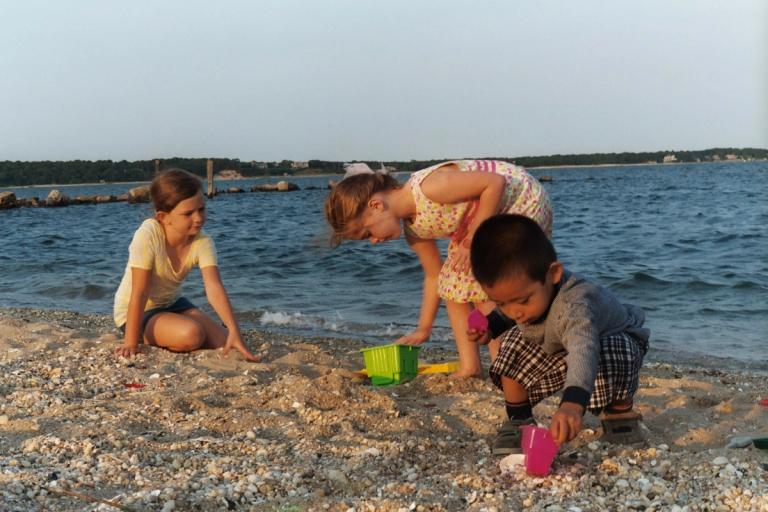
New Suffolk Waterfront is acquired by the Trust, a 3.4 acre property threatened by development, and held until the community is able to raise the funds to purchase it from the Trust in December 2010. Today, the site is owned by the New Suffolk Waterfront Fund, and is the setting for numerous events and a community garden, continuing its future as a community resource.
Charnews Farm and Bridge Gardens are Acquired
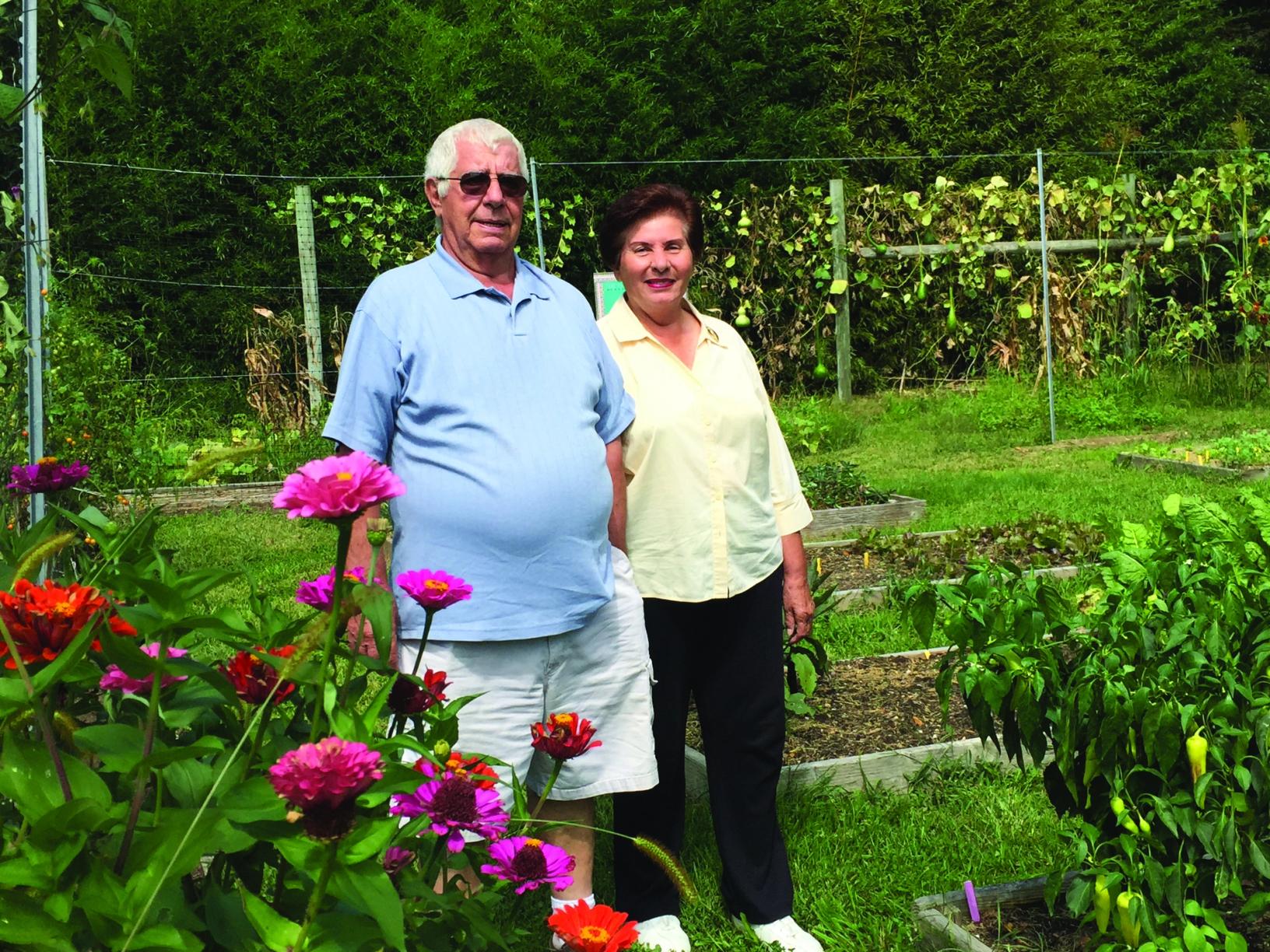
The Trust acquires Charnews Farm, and through a community-led fundraising campaign, transforms the property into the Agricultural Center, leasing farmland to new and established farmers (see Farms for the Future Initiative, 2010). The Ag Center is also the site of our Community Garden, which in 2013 has about 100 families and individuals participating, as well as our Learning Garden which offers programs to local school groups.
Also in 2008, Jim Kilpatric and Harry Neyens donate Bridge Gardens, a five-acre garden in the heart of Bridgehampton, open to the public from April through October. In 2012, Bridge Gardens adopted a mission to serve as a multi-purpose, multi-disciplinary outdoor classroom, demonstration garden and community resource - and tied the Gardens purpose more closely to the mission of the Peconic Land Trust.
Anderegg and McQuade Preserves are Established
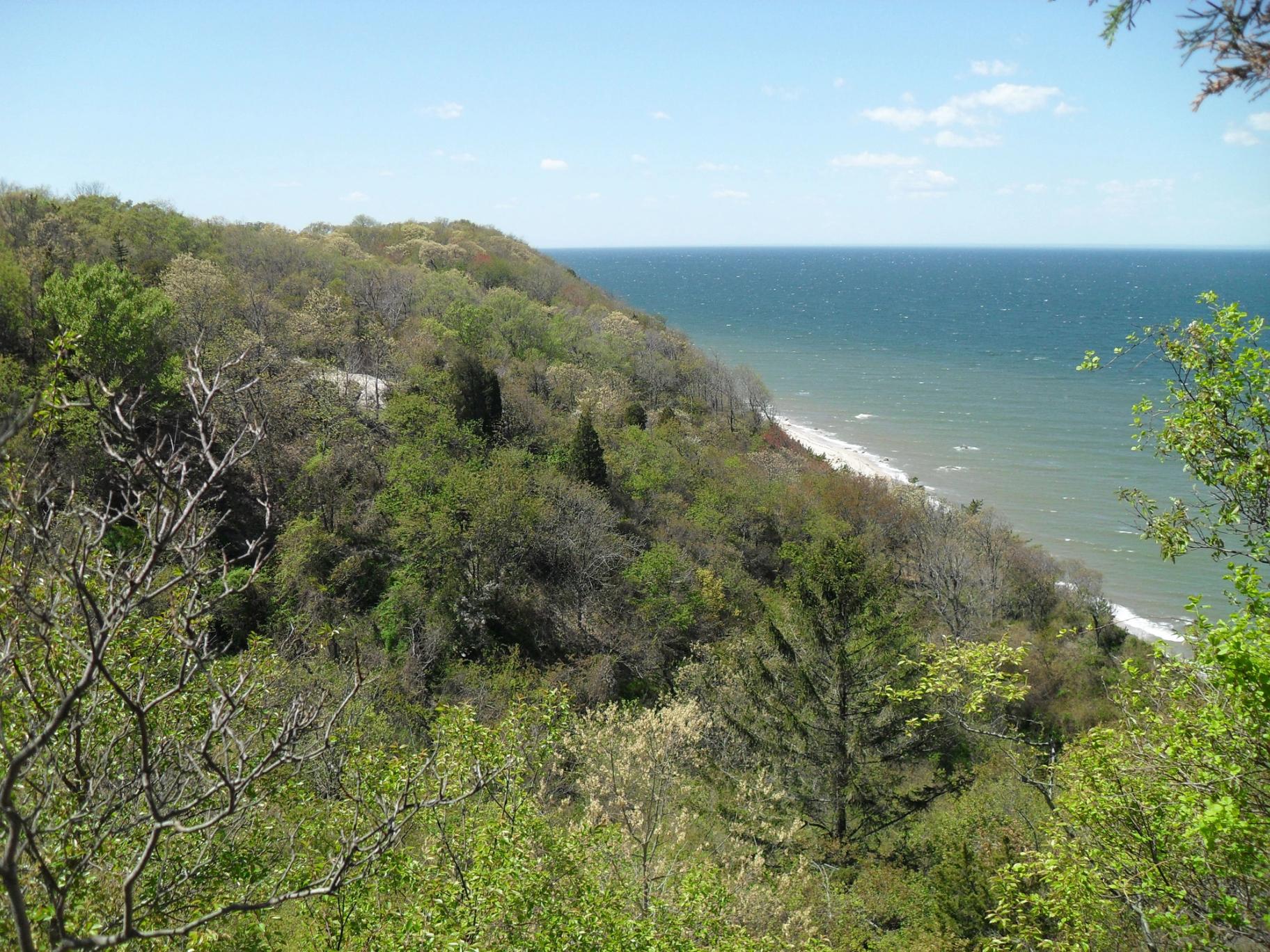
The Trust receives donations of two significant properties along Long Island Sound in Riverhead: the Anderegg and McQuade Preserves. These new preserves add a total of 83.5 acres to an assemblage of over 250 acres of beach, bluff, farmland, meadow, and woodland, conserved with the cooperation of numerous landowners, Riverhead Town, Suffolk County, donors and the Trust.
Farms for the Future Initiative is Formalized and Hopping Farmland is Acquired
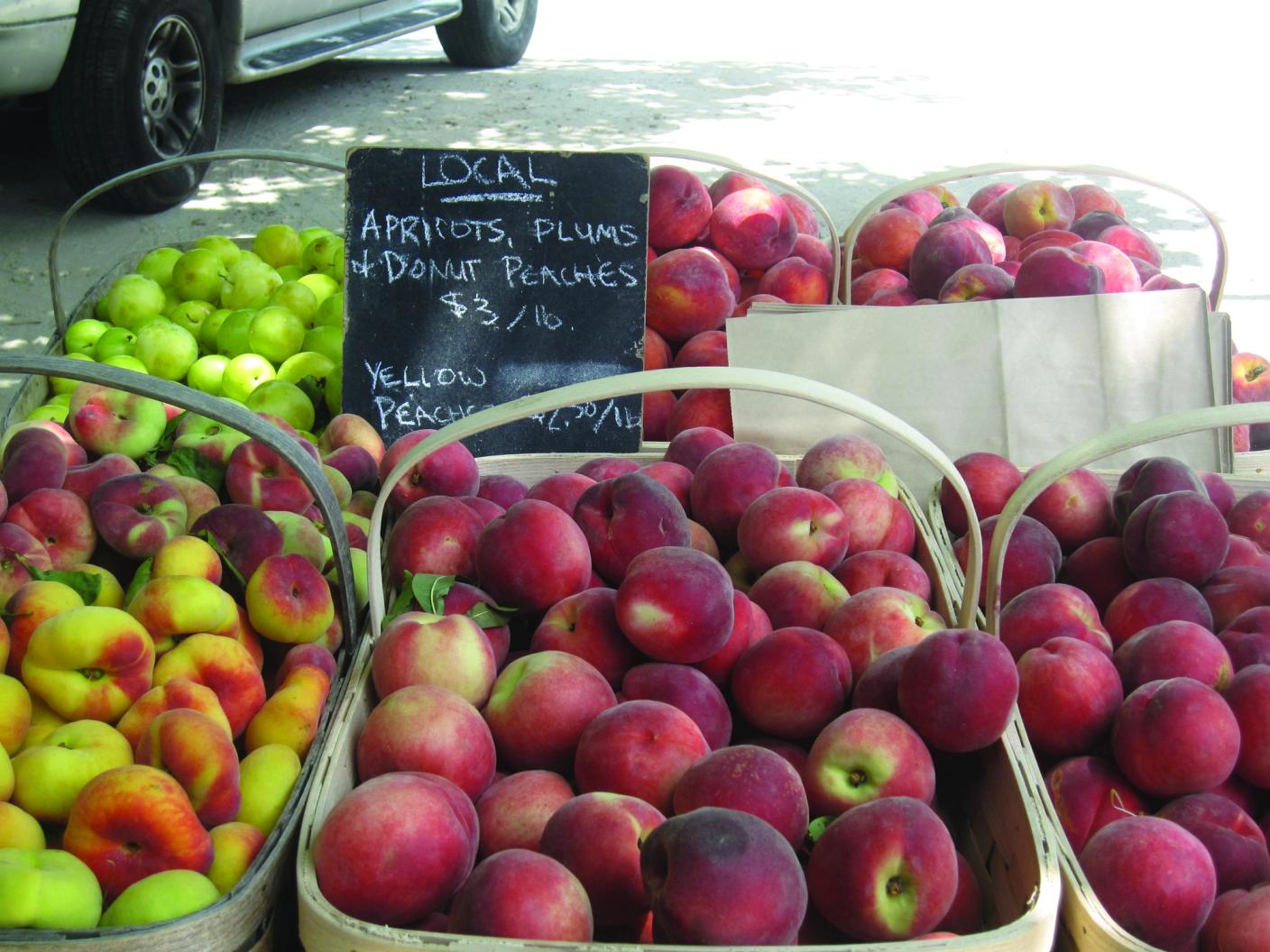
In 2010, the Farms for the Future Initiative was formalized. This program works with established and new farmers to provide access to affordable farmland – through leases, incubator programs and sales.The program, which is also designed to promote the diversity of farming operations, has a focus on encouraging food production on Long Island.
Also in 2010, the Hopping Farmland, 7.6 acres of farmland in Sagaponack, home to the Pike Farm Stand, is acquired by the Trust. Through a community fundraising effort, and the sale of development rights to Suffolk County and Southampton Town, the Trust conserves the farmland, and in 2011, after the implementation of innovative overlay easements resells the property to Jim and Jennifer Pike at an affordable farmland price. The tools employed in this complex farmland conservation effort became the basis for the Trust’s Farms for the Future Initiative, which was formalized in 2010.
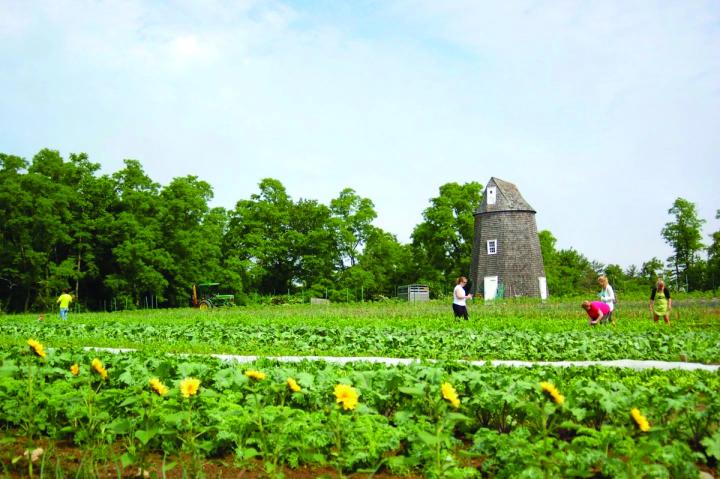
Sylvester Manor Conserved
Working with Eben Fiske Ostby, owner of Sylvester Manor, along with the non-profit Sylvester Manor Educational Farm, the Trust helps to conserve 48 acres of this 243-acre estate on Shelter Island. The Trust continues its conservation planning work with the family and the Educational Farm, supporting the restoration of the land to active agriculture at this historic site.
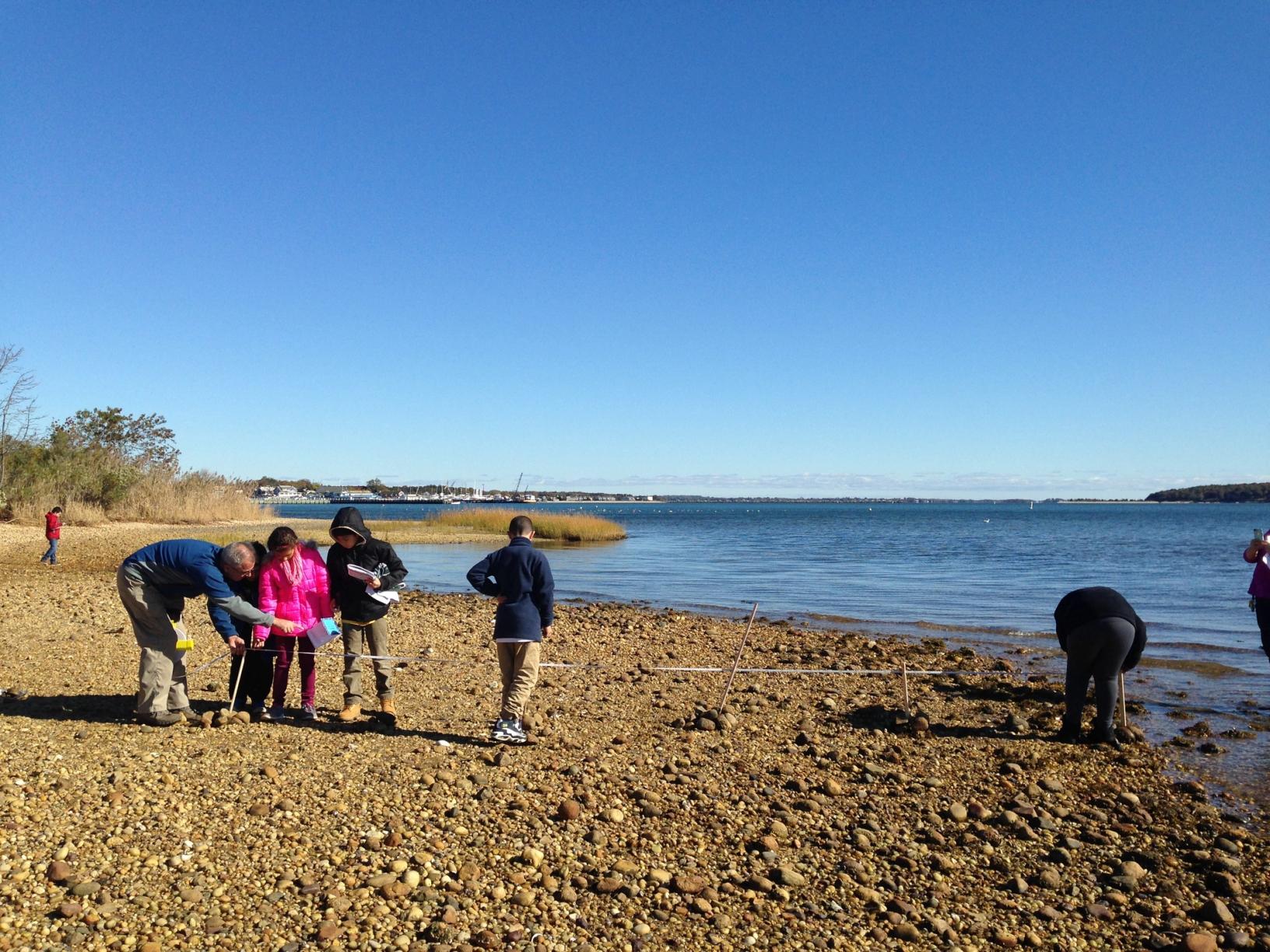
Oysterponds Historical Society and ExxonMobil
Working with the Oysterponds Historical Society (OHS), the Trust purchases conservation easements on 13 acres given to OHS through a bequest by Sonja Stein, continuing our conservation work on the lands around Orient’s Dam Pond, which began back in 1989. Today, over 118 acres of fragile wetlands, beachfront, and woodlands surrounding Dam Pond have been conserved through public/private partnerships fostered by the Trust.
Also in 2012, the Trust works with ExxonMobil on the conservation of two former terminal properties on Long Island: an 8-acre site on Shore Road in Cold Spring Harbor and a 2-acre site on Shelter Island Sound in the Village of Greenport. In partnership with the North Shore Land Alliance, Southold Town and Greenport Village, these donations by ExxonMobil represent the first significant donations of surplus property for conservation purposes on Long Island by the Corporation.
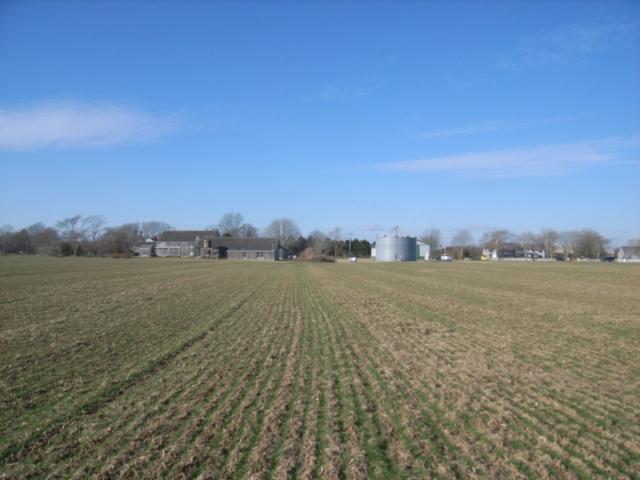
Farmland in Bridgehamton and Sagaponack Protected
On July 25, 2013, with the assistance of the South Fork Land Foundation, the Trust acquired 20 acres of productive agricultural land on Route 27 in Bridgehampton. Known as Hayground Farms, the land has been incorporated into the Trust's Farms for the Future Initiative and will continue to be leased to a local farmer.
In December of 2013, The Galban Family donated an overlay easement with affirmative and affordable farming covenants of 33.4 acres in Sagaponack to the Trust. This donation ensures that the land will remain in active agricultural production.
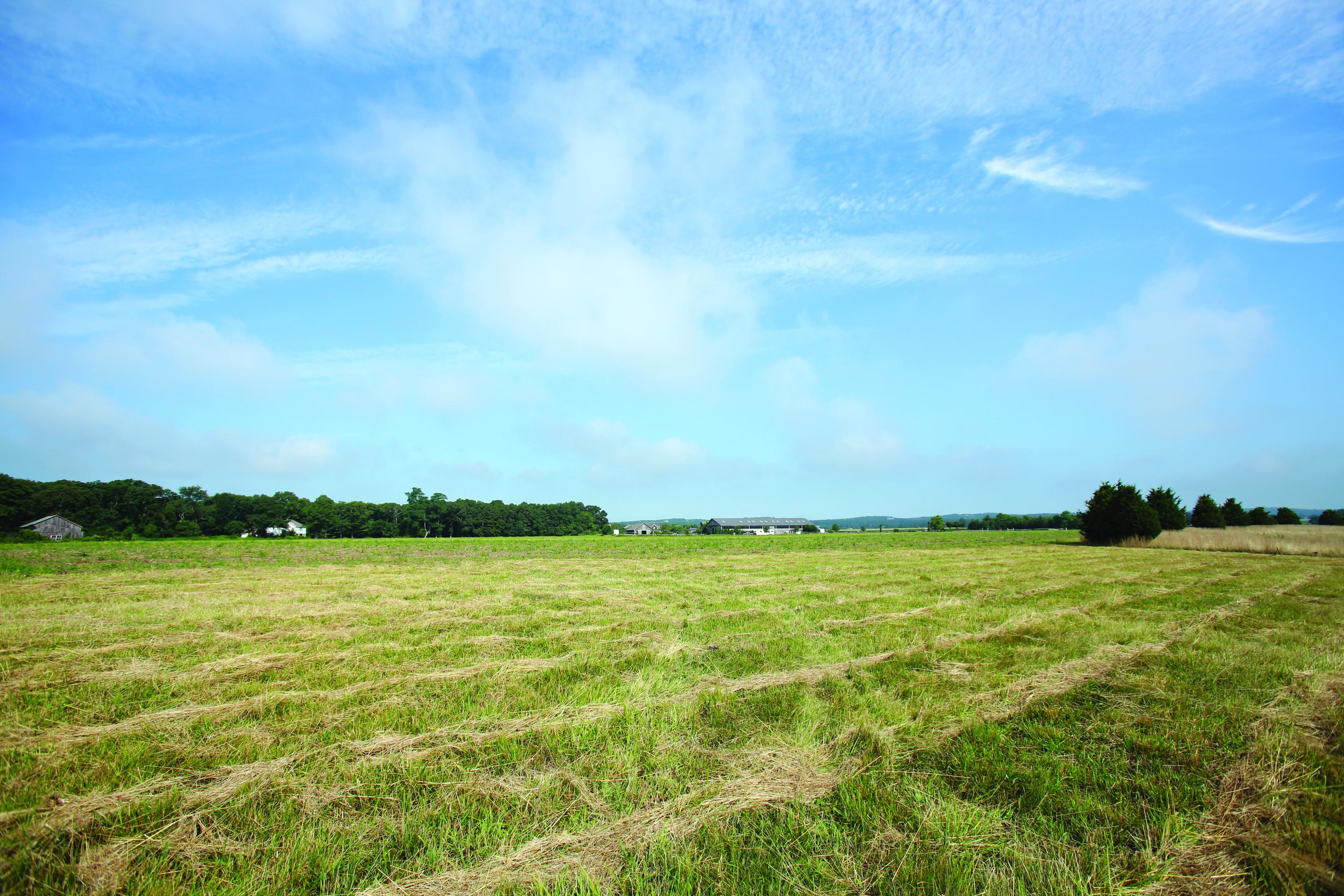
Water Mill Farmland Protected for Food Farming
The Trust purchased 33 acres of prime agricultural land in the hamlet of Water Mill from the estate of Charlotte Danilevsky. The Town of Southampton was an important partner in this farmland conservation, purchasing the development rights on the property from the Trust, including new additional restrictions that will ensure the land is affordable and accessible to food production farmers at its true agricultural value. The farmland, through the RFP process, was sold to two local farmers: Hank Kraszewski and Jim and Jennifer Pike.
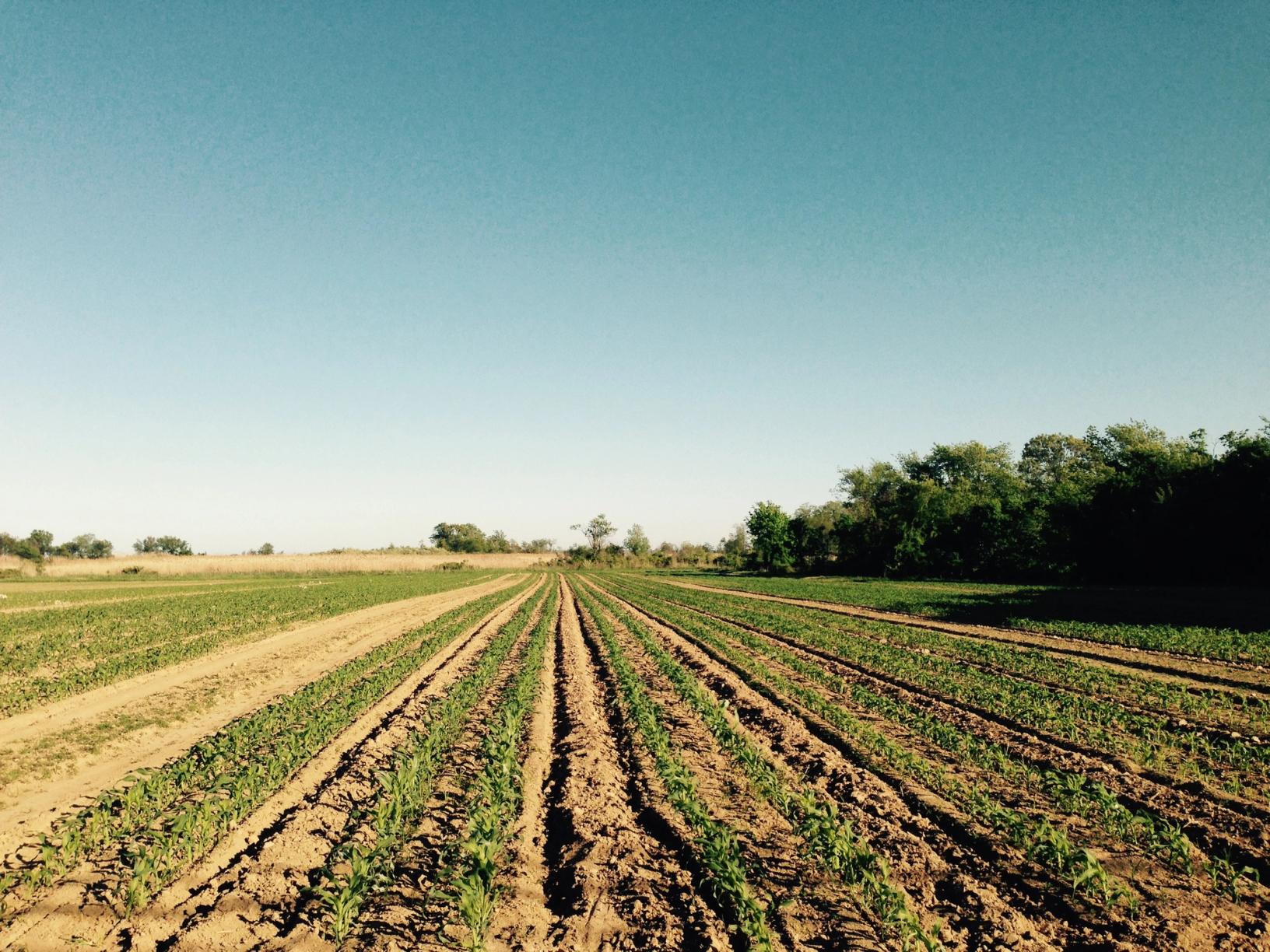
Edwards Farmland and Woodlands Are Protected
Peconic Land Trust acquires 20.9 acres of woodland and wetlands from the Edwards family in Orient.
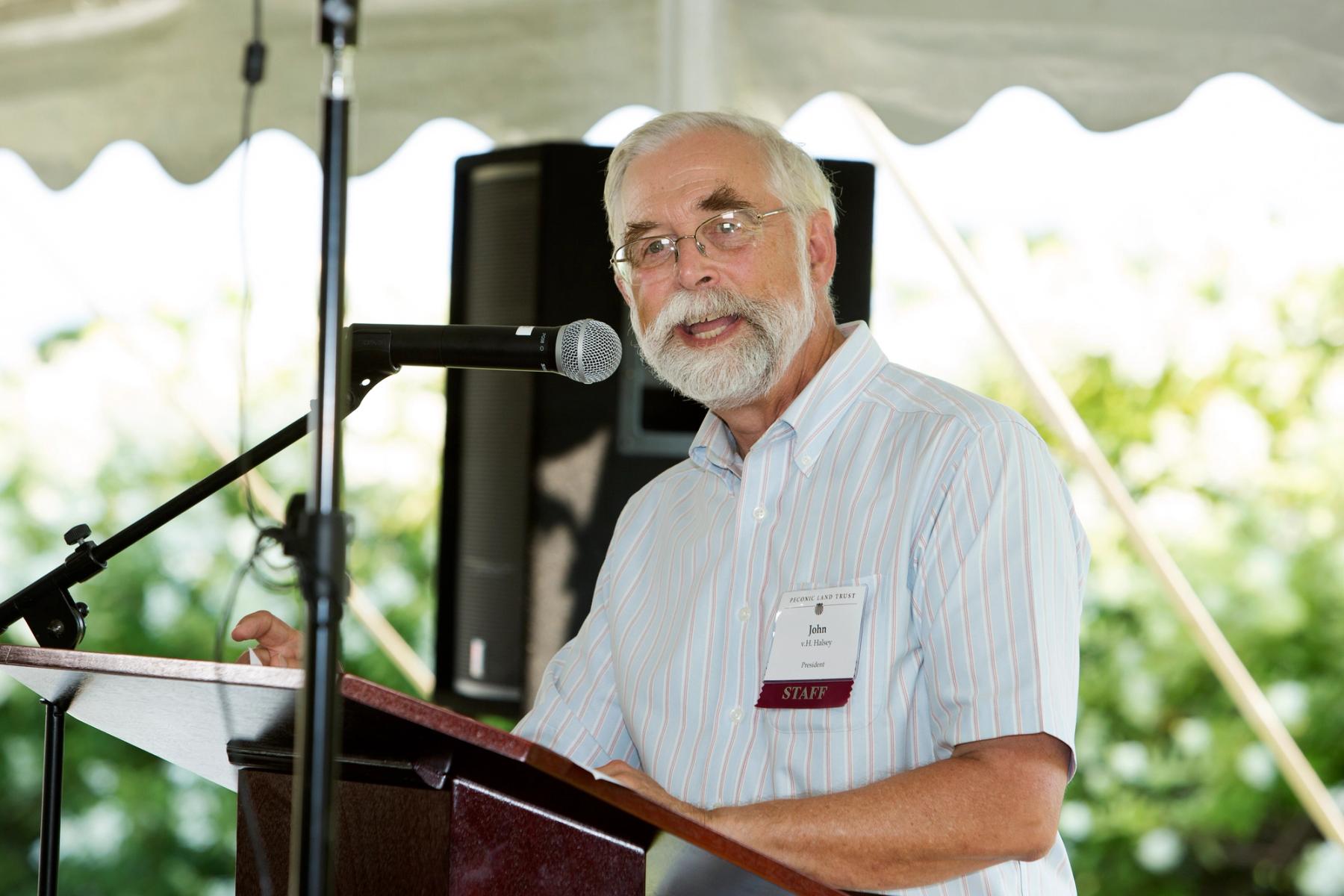
Agricultural Capital Equipment Grant Program Celebrates Year 1
In the summer of 2015, the Peconic Land Trust was selected to administer a grant by New York's Empire State Development of $1 million which would provide financial assistance towards the purchase of infrastructure and capital equipment for beginning, transitioning and expanding farm operations. In the first year, just over $300,000 of grant funds had been pre-approved to 20 farm operations. By the end of 2017, over $800,000 in funds have been pre-approved to 36 operations. Funds have been used to reimburse up to 20% of the cost to purchase equipment ranging from tractors and boats to shelves and oyster baskets. Additionally, irrigation systems and deer fences have been installed and barns and farm stands have been upgraded or expanded.
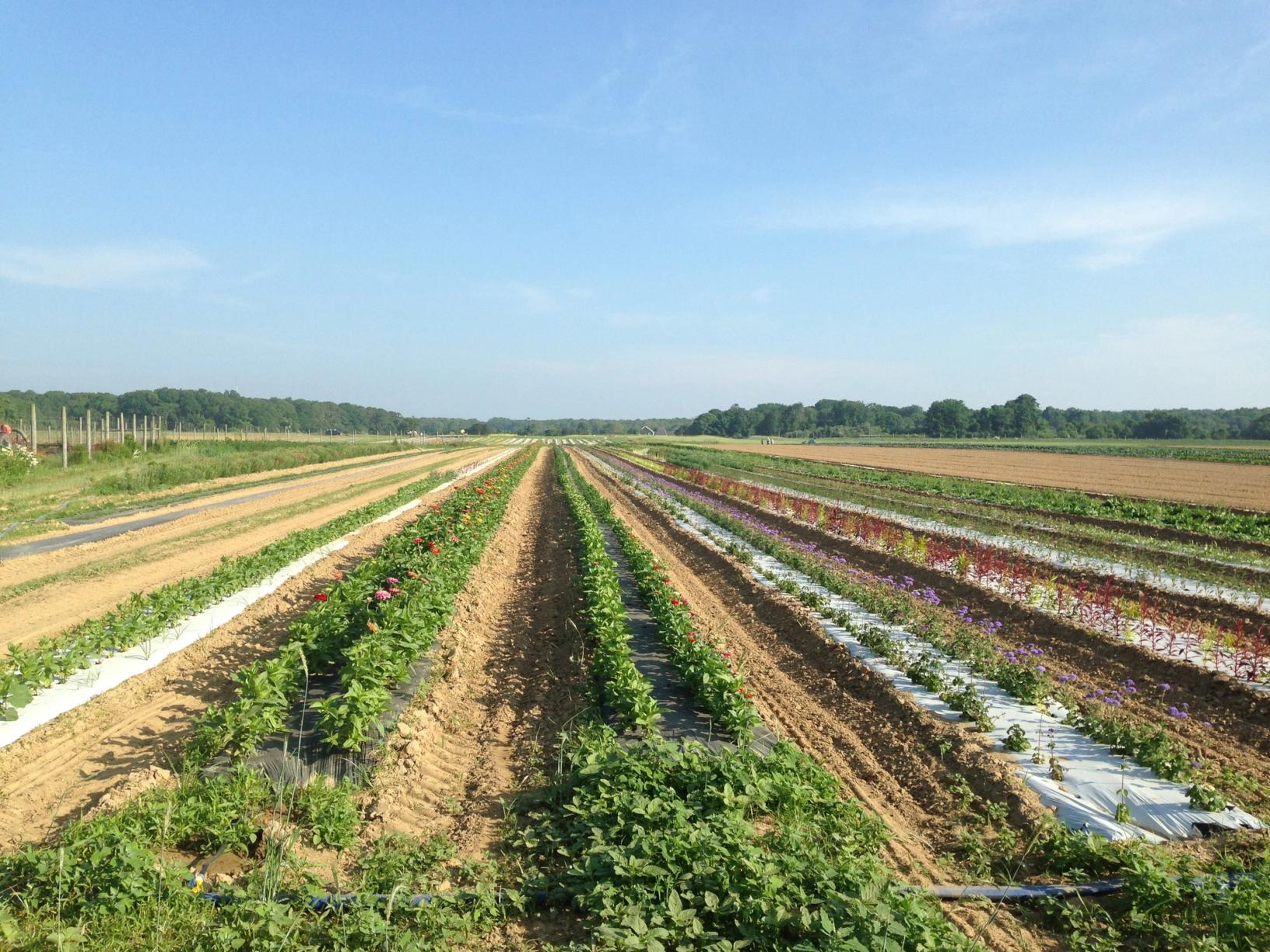
Suffolk County Farmland Preservation Program Challenged, but Prevails
In September 2016, the New York State Supreme Court ruled against Suffolk County in a decision that bared its Farmland Preservation Program from permitting agricultural structures, including barns, deer fencing and irrigation systems on farmland that the County had protected for bona fide agricultural production over the past 40 years. This decision created confusion and uncertainty by redefining the program created to assure the future of agriculture as a critical component of our local economy into an open space program that prohibits structures of any kind “as the existing openness, natural condition, and present state of use of any purchased PDR property is diminished, if not extinguished, by the erection or installation of the structures, uses, and activities, agricultural and non-agricultural…” The Trust, in 2017, filed an amicus brief along with many of our partners in agriculture, and in 2018 the New York State Appellate Division rejected the State Supreme Court decision -- meaning that once again, farmers are permitted to build agricultural structures and improvements on their protected land. This is a positive outcome for Long Island agriculture.
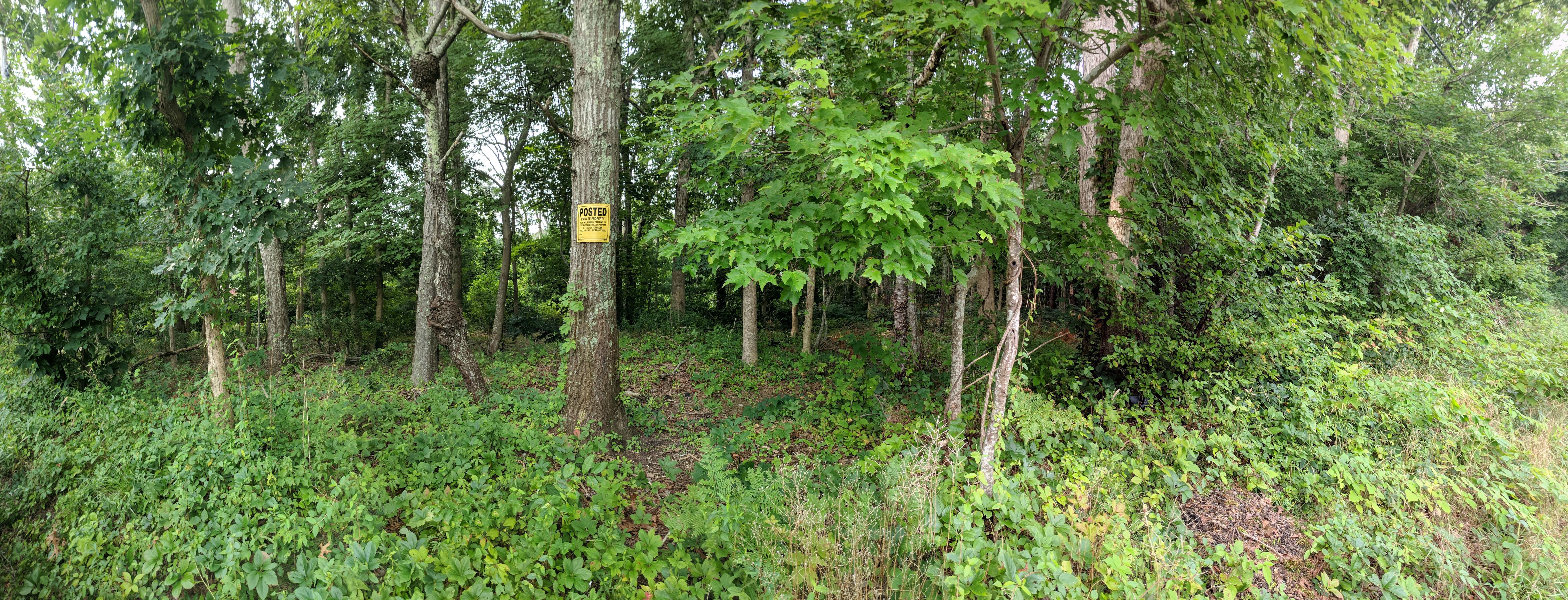
Regional Drinking Water Protection Program Launches
In December 2017, the Trust was awarded the first of three grants in support of the acquisition of land for source water protection from New York State. The grant will cover up to 75 percent of the acquisition costs of the land, with the Trust working with donors and other sources to cover the remaining 25 percent. The original grant was for land in the Town of Brookhaven. Since that time, the Trust has received subsequent grants from the State for the acquisition of land in the Towns of Shelter Island, Southold, Riverhead and East Hampton. As of early 2020, the Trust has acquired three properties under this grant program, the first two in Brookhaven, and the third on Shelter Island.
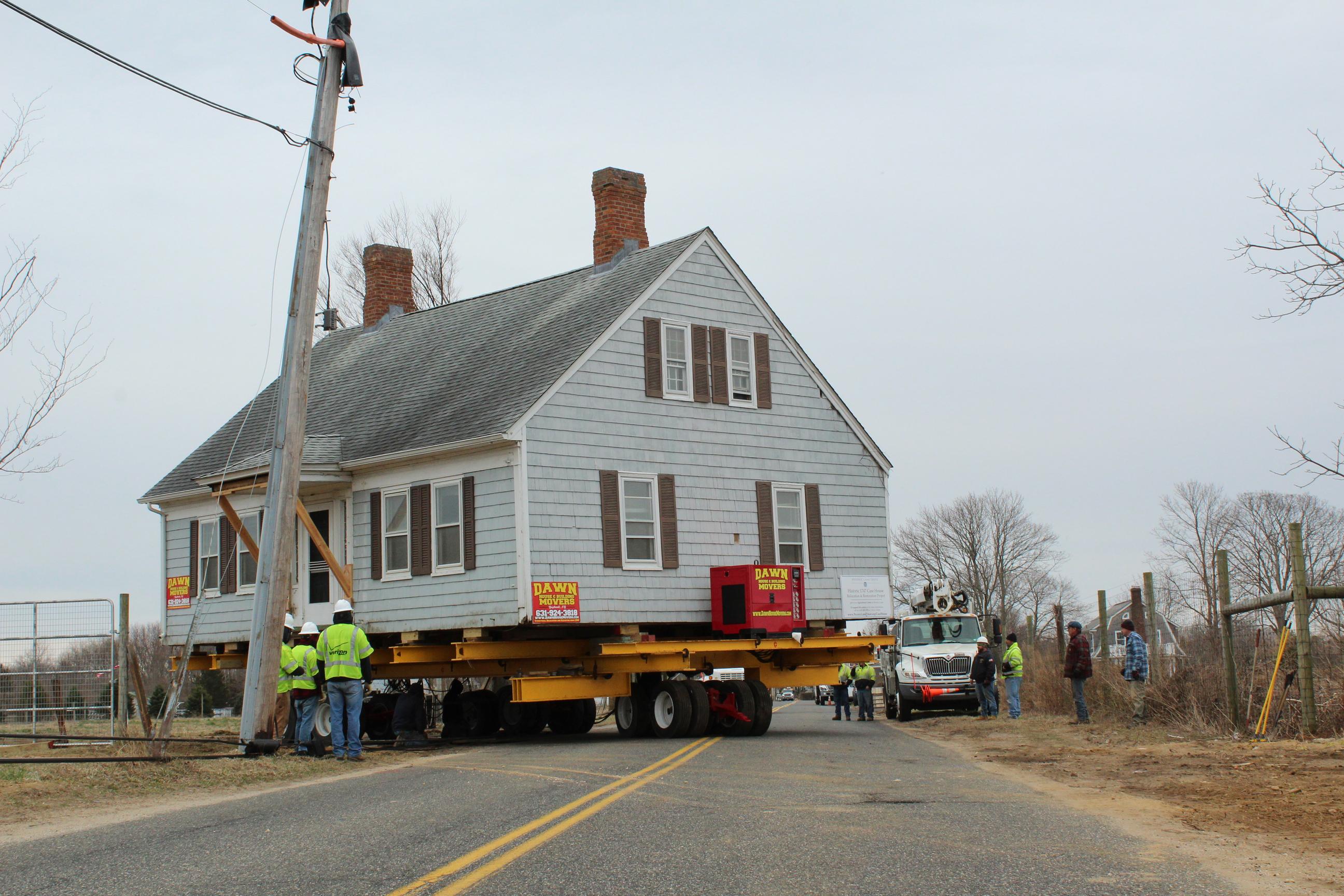
Historic Case House Moves to Cleo's Corner
On a clear and brisk January morning, the historic Lieutenant Moses Case House began its move to Cleo’s Corner at Route 48 and Hortons Lane in Southold. Over four days this winter and early spring, the 120,000 pound house moved across two frozen fields and Young’s Avenue. The final move, across Hortons Lane and onto its new foundation, happened on April 1! Cleo’s Corner was chosen because it is part of the Trust’s Farms for the Future Initiative and includes a 5-acre farm field. Combining an historic home with preserved farmland to create a farmstead -- and then to lease the house and the farmland to a local farmer is the plan. The house is currently undergoing renovation -- and the farmland is leased to a local farmer.
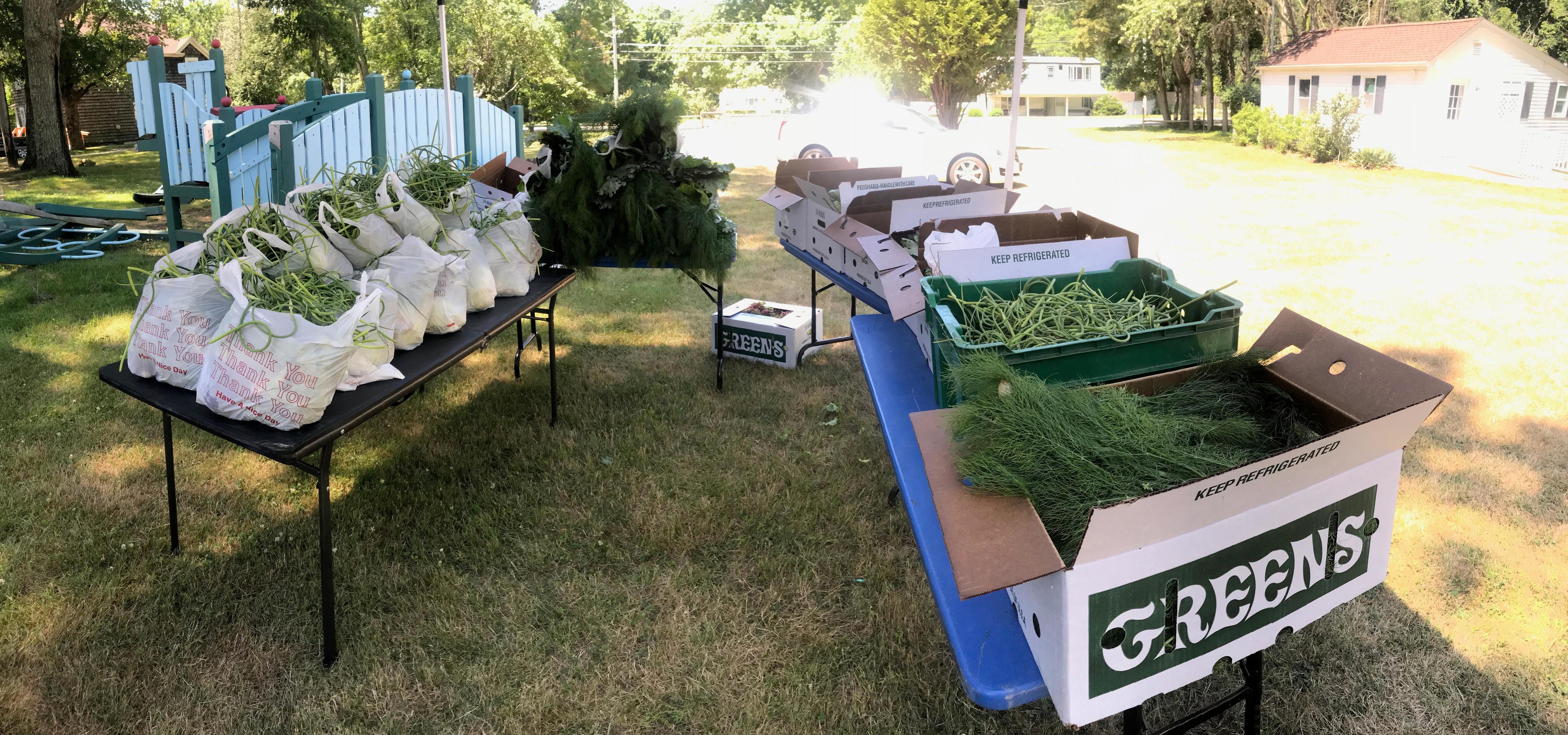
Farm to Food Pantry Program Begins
Quail Hill Farm's Farm to Food Pantry Program began to take shape in 2020 when a member of the farm made a $5,000 gift to initiate a way to get fresh produce from the farm to people in need. The farm reached out to The Bridgehampton Child Care and Recreational Center(The Center) to establish a partnership. Thanks to funding from farm members and a grant from All For The East End (AFTEE) at the Long Island Community Foundation (LICF) the farm was able to allocate excess produce to The Center at no cost to the center. The pilot program has seen over ten tons of produce harvested and distributed to East End families.
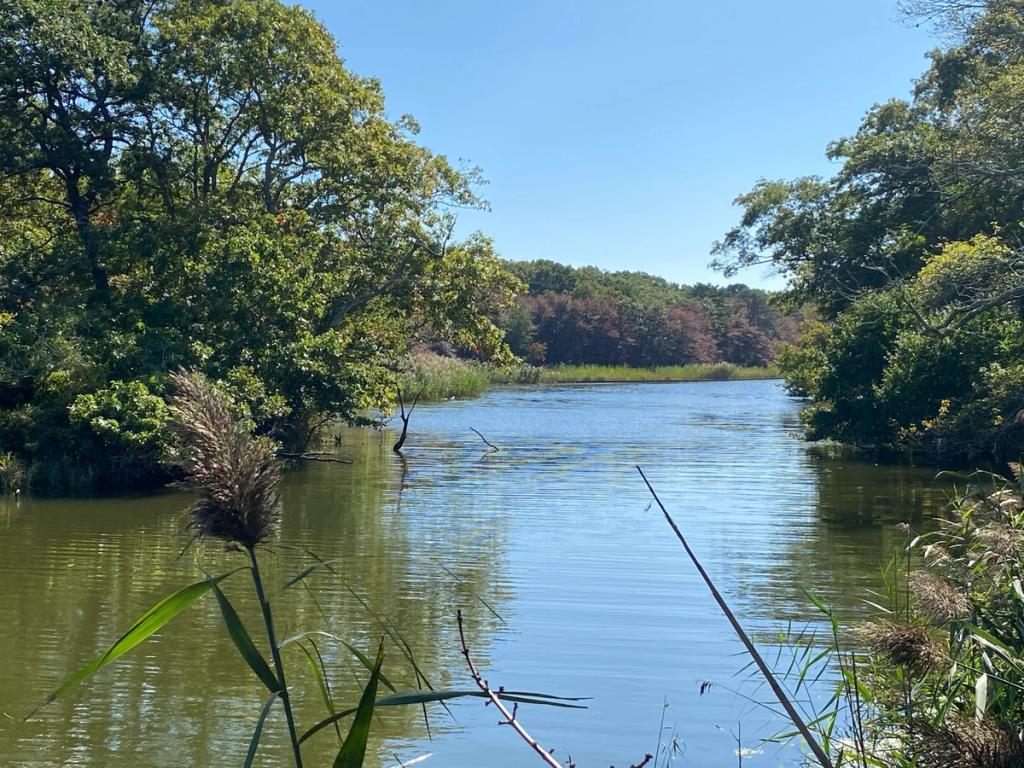
Conservation Along Georgica Pond and the Great Hog Neck Peninsula
In August 2020, the Trust acquired the Georgica Pond Preserve in Wainscott thanks to a generous donation by Katherine Rayner. Remediation and restoration of the 1.4 acre property began.
Also, in December 2020 the Trust created the Harold A. Reese Preserve adjacent to the Wolf Preserve on the Great Hog Neck Peninsula in Southold. This increased the protected area to over 50 acres that will now be available for passive recreation, while also providing climate change resiliency, wildlife habitat, and groundwater protection in this part of the Peconic Bay Estuary.
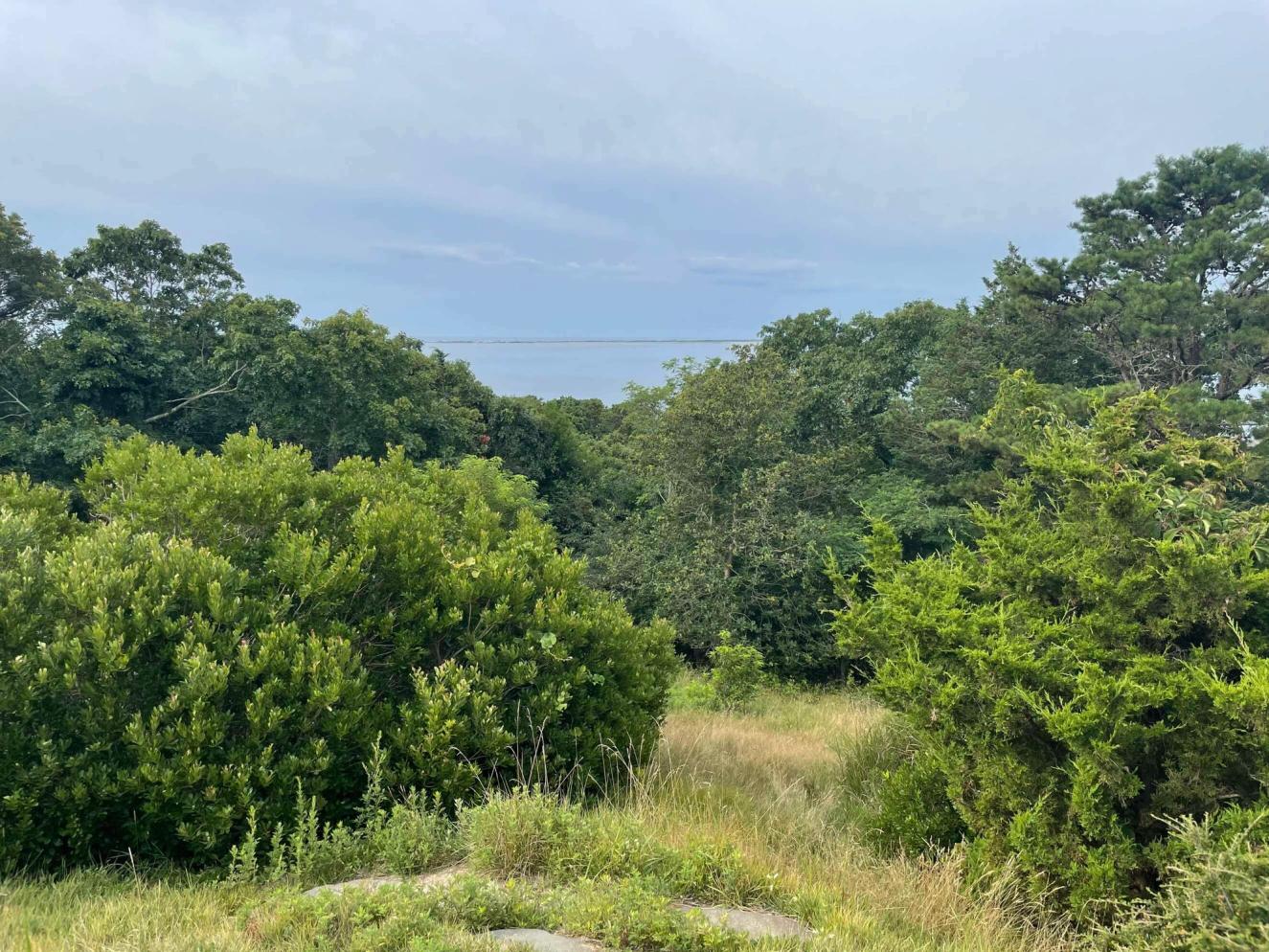
Sugar Loaf Hill Summit — Sacred Land of Shinnecock People Protected
In July 2021, working with the Shinnecock Graves Protection Warrior Society and the Town of Southampton the Trust acquired this most sacred land. In a simultaneous transaction, the Town purchased a conservation easement from the Trust precluding any future development of the property for commercial or residential purposes.
The Trust and the Society are working together on the restoration of the land, including the removal of the residential building. Once the restoration of the land is complete, the Trust will petition the Town to approve the transfer of the Summit to the Shinnecock people. If successful, this will be the first time that land within Shinnecock Hills will be returned to and repatriated by the Shinnecock people.
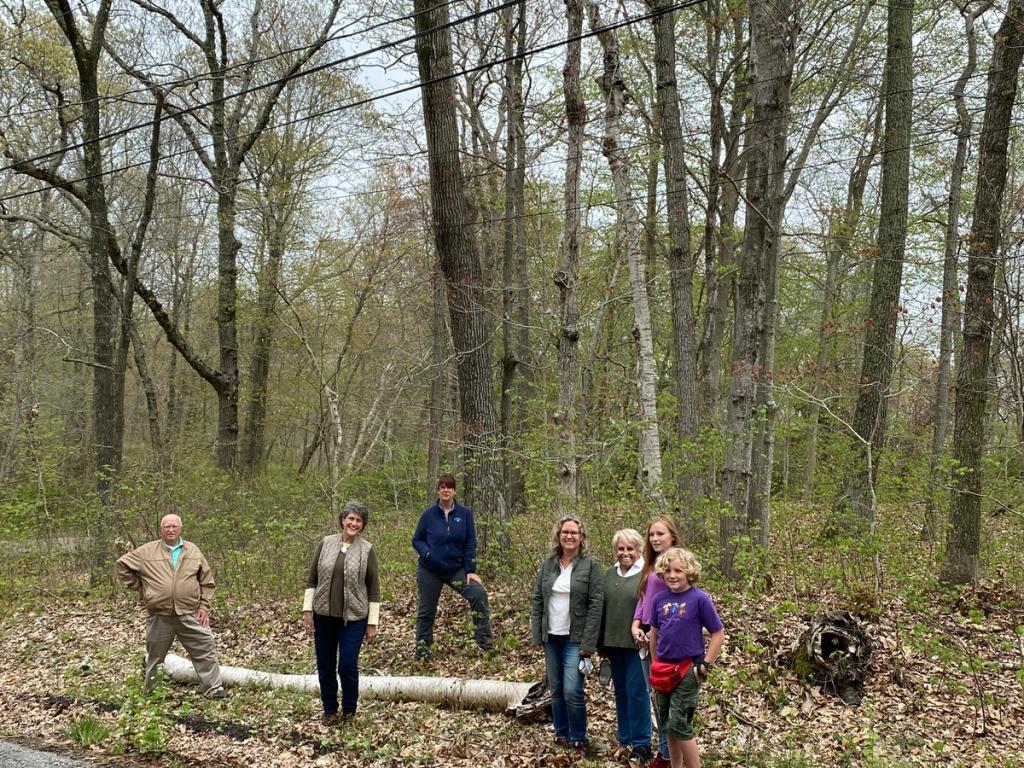
Community Conservation
Three conservation projects in the past two years are thanks to the involvement of the community. Over 25 neighbors came together to conserve a small, but ecologically important parcel along a native forest corridor in Southold. In April 2021, the Soundview Avenue Preserve (pictured above) was created. The North Fork Community and Trust supporters across the island came together to conserve the last large open space parcel on Deep Hole Creek. In June 2022, the Trust became the interim owner of this property, which has been protected in perpetuity through the simultaneous sale of development rights by the Town of Southold. Donors came together once again to support farming on Long Island. For over a year, the Trust had been working to conserve 6 farmland parcels totaling 38 acres in Wading River.
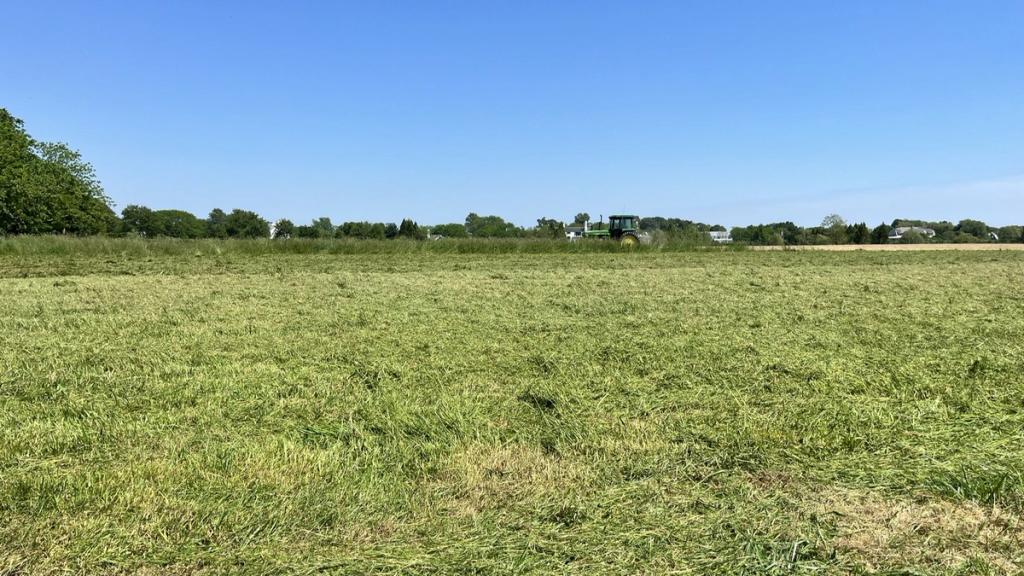
Bridgehampton Farmland Conserved
Peconic Land Trust acquired 27 acres of farmland in Bridgehampton from the Topping family. The acquisition was made possible due to $18 million in donations from community members along with $30 million in funding from the Town of Southampton’s Community Preservation Fund.
The farmland, which has been farmed for over 150 years, has some of the most productive soils on Long Island – Bridgehampton silt loam and haven loam. This farmland preservation effort was a once in a lifetime opportunity to preserve land in an area with some of the most expensive real estate in the world.
Our Values
Resources
- Value our communities’ diverse history, agricultural and maritime heritage, character, and traditional ways of life
- Value our working and natural lands, community assets including trails and gardens, watershed areas, wildlife habitats, and scenic vistas
- Value our role and responsibilities as stewards of the land on behalf of our communities
- Value and conserve all resources in our every day work
- Value the importance of connecting people to the land through outreach and education
Relationships
- Be fair, respectful and just to all within our diverse communities
- Balance the rights of the individual and the interest of the public
- Work with landowners, recognizing their personal goals, circumstances, and connection to the land
- Listen to all concerns and issues
- Collaborate with institutions, groups, and individuals to achieve mutual goals
- Promote an organizational culture that respects the professional and personal lives of our staff, board and volunteers
Standards and Practices
- Use proven techniques as well as explore and develop new methods to conserve land and our resources
- View individual projects in the broader context of our communities
Propose conservation and stewardship options based on a thorough understanding of the land - Work from a problem-solving perspective with innovation and creativity
Act ethically, lawfully, and in a fiscally sound manner as professionals and as an organization
The Peconic Land Trust acknowledges that the region – Paumanake (Long Island)/Sewanhacky (Long Island) – where we work and live is the ancestral territory of many communities of Indigenous people. We honor their stewardship of the land for over 10,000 years. We accept our responsibility to protect their cultural and traditional connections to the land.
Our Goals
Conserve our local lands, water, and community character for the benefit of all.
Support working farms and the viability of agriculture as it evolves over time.
Care for our land and water in ways that sustain, restore and defend all that has been and will be protected.
Build connections between our diverse community and our agricultural, natural, and historic resources.
Advocate, articulate, and influence public policy that impacts land conservation, water quality, and agriculture.
Encourage and promote a dynamic organization, innovative yet true to its core values, to meet the challenges and opportunities of the future.
Assure the permanence of our conservation mission for future generations by maintaining and enhancing a strong financial foundation for conservation.
Get to Know Us
Learn about the people who keep the Peconic Land Trust working day to day.
Meet the TeamBoards
Councils
Partners
The following are just some of the organizations the Peconic Land Trust works with to conserve and protect Long Island's working farms, natural lands and heritage.


Finances
The Peconic Land Trust is a 501(c)(3) tax-exempt organization, recognized by the Internal Revenue Service. All gifts made to the Trust are tax-deductible to the extent allowed by law.
Federal ID #: 11-2667021
A copy of the Peconic Land Trust's financial report, filed with the New York State Attorney General, available online at: https://charities-search.ag.ny.gov/RegistrySearch/03-35-14
or may be obtained by writing to:
Office of the Attorney General, Department of Law, Charities Bureau, 28 Liberty Street, New York, NY 10005, or
The Peconic Land Trust, 296 Hampton Road, Southampton, NY 11968.
Locations
Mailing Address
296 Hampton Road
Southampton NY 11968
Southampton Office
296 Hampton Rd
Southampton, NY
631-283-0235 (fax)
North Fork Stewardship Center
22600 Main Rd
Cutchogue, NY
631-283-0235 (fax)
Quail Hill Community Farm
660 Old Stone Hwy
Amagansett, NY
631-283-0235 (fax)
Bridge Gardens
36 Mitchell Ln
Bridgehampton, NY
931-283-0235 (fax)